
Recent diplomatic developments have spotlighted the evolving dynamics of the conflict in Eastern Europe, following a sudden announcement by United States President Donald Trump regarding energy infrastructure targets. While Washington reported that an agreement had been reached to halt strikes on energy facilities effective immediately, the reaction from Moscow has remained notably reserved, with Russian officials offering minimal public commentary.
The Divergent Positions of Washington, Kyiv, and Moscow
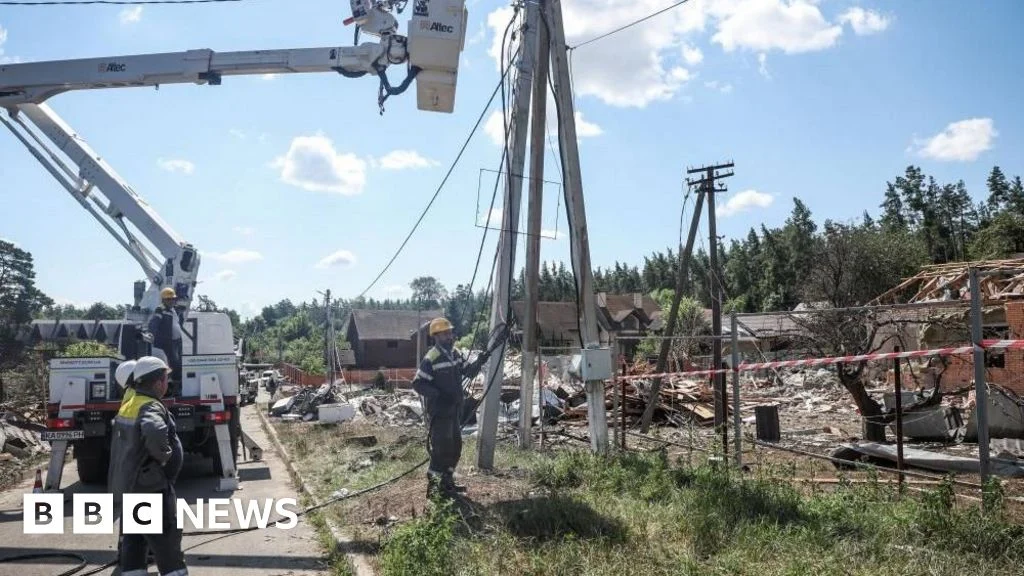
The announcement from the White House immediately prompted questions regarding the operational status of the arrangement. Ukrainian President Volodymyr Zelensky suggested that the declaration came as unexpected news, noting that Kyiv remains willing to commit to the terms provided that Russia does the same. Despite these diplomatic overtures, Ukrainian authorities reported that multiple energy targets across the country had experienced hits during ongoing overnight and morning strikes.
Meanwhile, the Kremlin has avoided issuing a direct official confirmation or rejection of the purported agreement. During a daily conference call with journalists, Russian President Vladimir Putin’s spokesman, Dmitry Peskov, addressed inquiries about the alleged ceasefire by stating that contacts are continuing and that updates will be provided when available.
Pro-Kremlin Perspectives and Strategic Calculus
While official government statements have been sparse, pro-government Russian media and commentators have offered explicit interpretations of the development. Publications such as Moskovsky Komsomolets characterized the announcement as advantageous to Moscow. Analysts within these circles argue that the restrictions effectively limit Ukrainian long-range drone strikes against Russian oil facilities—which have previously caused significant damage and domestic fuel shortages—while leaving Russia’s broader network of refineries largely unhindered.
Furthermore, Russian political commentators have tied the timing of these events to broader economic and political contexts in the United States, including discussions surrounding diesel supply agreements and upcoming political cycles. Moscow has also maintained its long-standing position regarding broader cessation proposals, emphasizing a stated preference for what it terms a lasting peace rather than temporary 30-day or 60-day ceasefires, while recently proposing a single-day cessation to accommodate potential electoral processes in Ukraine.
Continued Military Pressures as Winter Approaches
The discrepancy between diplomatic announcements and ground realities is further underlined by statements from Russian Foreign Minister Sergei Lavrov, who indicated opposition to granting tactical respites through prolonged truces. As colder weather approaches, indicators from leadership suggest that continued strategic pressure remains a primary operational focus for the Kremlin.
As the international community monitors the implementation and viability of Washington’s proposed framework, the foundational objectives of the conflict persist against a backdrop of ongoing infrastructure attacks and complex geopolitical negotiations.