
BODY:
Legal Friction Surrounds East Potomac Golf Links
The future of a century-old recreational facility in the nation’s capital has triggered a high-stakes standoff between the federal government and the judiciary. At the center of the dispute is the historic East Potomac Golf Links in Washington DC, a 106-year-old public space that has long provided recreational access for residents across various income levels. Recent administrative actions targeting the property have sparked emergency court hearings and sharp warnings from federal oversight.
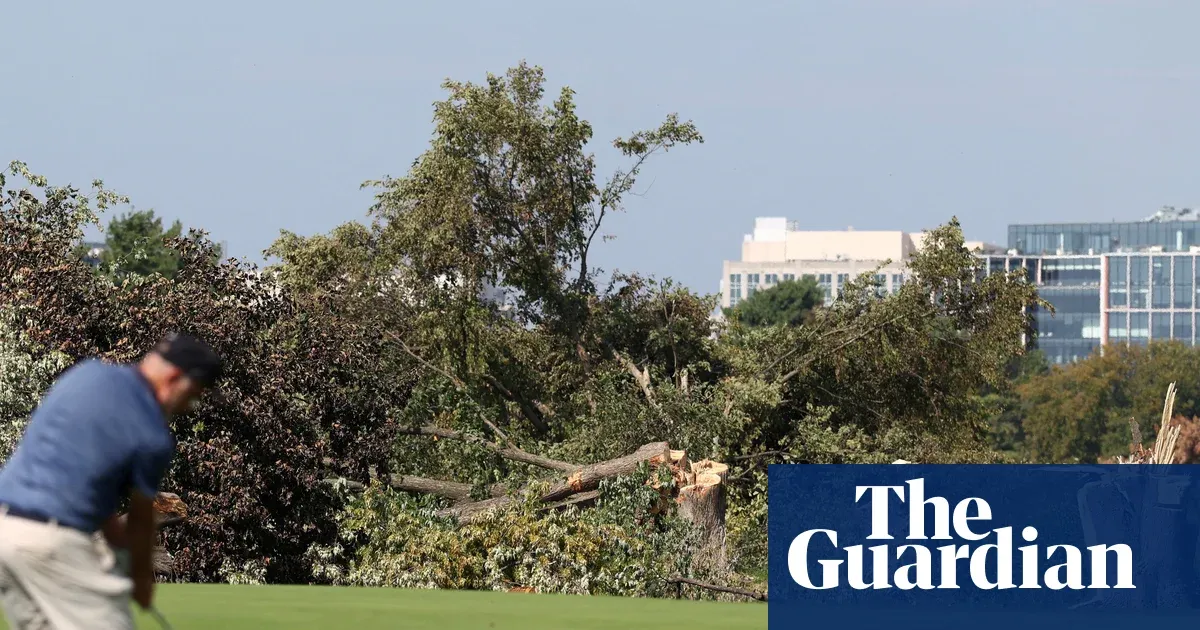
The controversy intensified after landscape alterations occurred at the site, which included the cutting down of more than 400 trees last weekend, followed by the removal of about 500 trees at the location. Critics and preservation organizations, such as the DC Preservation League—which brought a lawsuit in February to halt the administration’s takeover—have raised alarms that sweeping changes could compromise the historical integrity of the property and reduce affordability for the public. Meanwhile, legal representatives for community stakeholders, including Democracy Forward led by CEO Skye Perryman, argue that the grounds serve as a vital communal asset requiring strict protection against unauthorized and disruptive alterations.
Court Directives and Administrative Defiance
US District Judge Ana Reyes, who was appointed to the federal bench by Joe Biden in 2023, has taken a central role in managing the unfolding legal dispute. Earlier in the year, the judge ruled that federal authorities were legally required to provide formal notice before initiating any substantive construction work on the property. Tensions escalated further when the court issued an explicit order halting the removal of trees at the location, which she called “inexcusable.”
Despite these judicial interventions, public announcements from leadership have signaled an intent to proceed with large-scale rebuilding efforts. Published reports noted the original filing timestamps at 22.44 BST on Sunday, 18 October 2026, with modifications recorded at 04.19 BST on Monday, 19 Oct 2026. Donald Trump posted on Truth Social on Sunday that restoration work will begin on 15 November, with projections that the upgraded facility would reopen in about 15 months and be transformed into one of the best and most spectacular golf courses anywhere in the world. The online message prompted Judge Reyes to order the government to notify her by 8pm ET on Sunday whether its position had changed from a court filing Friday that stated “at most” the president had given preliminary thought to the rebuilding plan and that there was no final agency action.
Motions, Testimony, and Broader Landmark Disputes
The legal battlefield extends well beyond verbal declarations and online statements. In response to the ongoing restrictions, government representatives filed a motion on Friday to disqualify Judge Reyes and move the case to another district judge, alleging that her actions showed deep-seated and unequivocal antipathy and open hostility toward the administration. Concurrently, the court has demanded that key members of the Republican administration testify regarding recent tree-cutting operations and whether those actions are tied to the president’s plans for the historical public links, which the administration previously claimed in an 9 October court filing were at an early and conceptual stage.
This controversy mirrors several concurrent legal battles over prominent architectural and cultural landmarks throughout Washington DC. Efforts to pursue projects reshaping the White House, including a huge ballroom, the installation of the president’s name on the Kennedy Center, and the construction of a massive arch, have similarly faced intense judicial scrutiny. As the legal wrangling continues, attorneys and community advocates maintain their efforts to defend the historical character and accessibility of public recreational spaces against competing federal visions.