
Uncertainty Grips Israeli Politics After High-Turnout Election
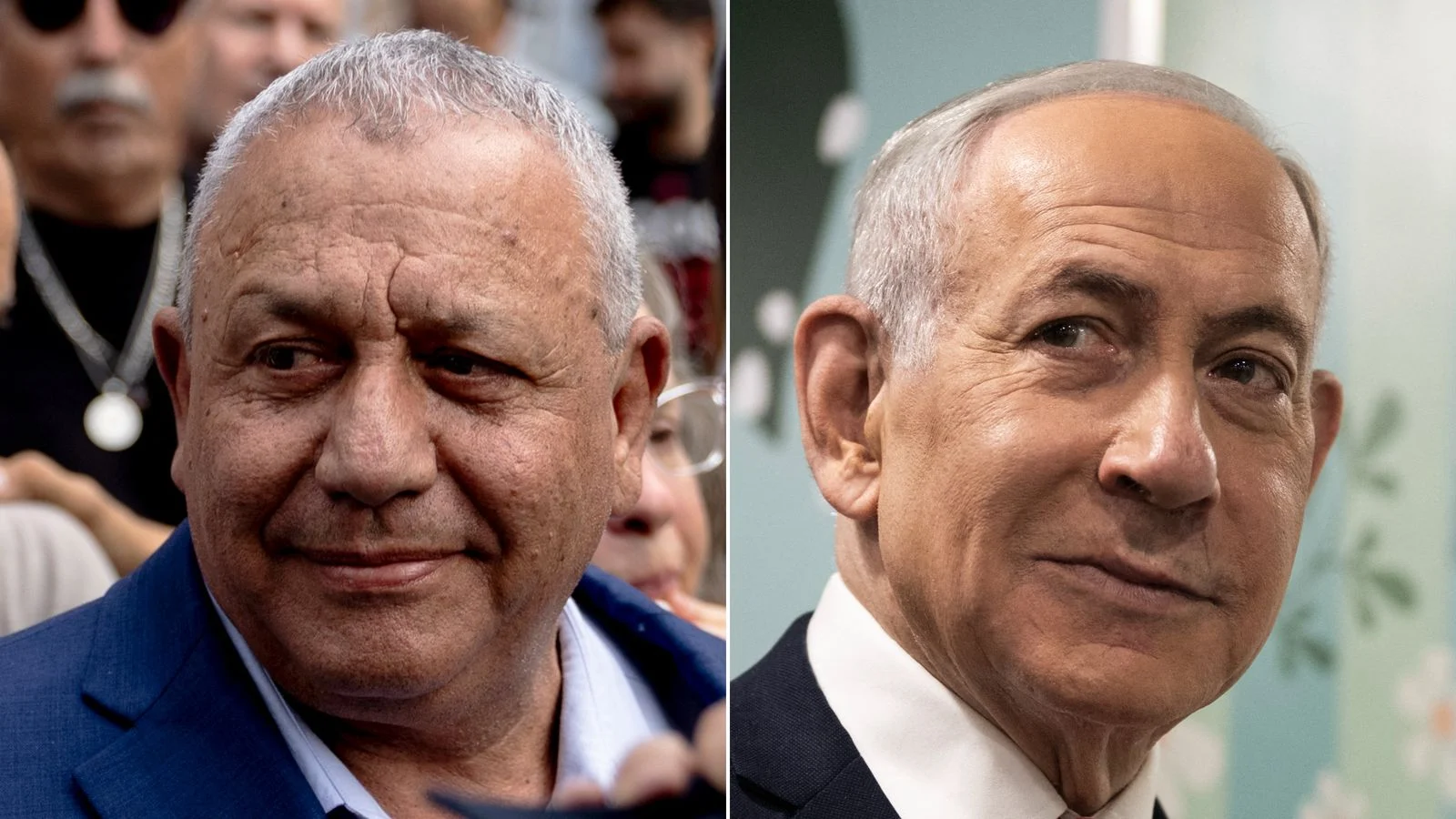
Israel’s recent legislative election has concluded with exit polls indicating no outright victor, leaving the political landscape fractured and the path to a governing majority wide open. Following what election officials reported as the highest voter turnout since 1999—reaching 77.7% with nearly 5.7 million ballots cast out of approximately 7.3 million eligible voters—the preliminary projections point to significant shifts in the Knesset. Prime Minister Benjamin Netanyahu and his primary challenger, former military chief Gadi Eisenkot, both fell short of the 61-seat majority required to secure an outright win in the 120-seat parliament.
While official vote counts get underway and final results are expected within 48 hours, the initial exit data from major broadcasters revealed a stark decline in support for the incumbent coalition. Analysts note that post-election negotiations, minority administrations, unity arrangements, or even a return to the polls remain plausible outcomes as political factions assess their next moves.
Shifting Seat Projections and Challenges for Netanyahu
Projections from Channel 12 News indicate a severe blow to Prime Minister Netanyahu’s right-wing and ultra-Orthodox bloc, which is projected to drop sharply from 68 seats in the previous Knesset down to 52 seats. Later updates from main pollsters showed slight shifts, placing Netanyahu’s bloc tied with or narrowly leading Eisenkot’s opposition grouping at 52 seats to 49, or 51 seats apiece across Channel 13 and Channel 11 surveys. Within individual party standings, Netanyahu’s Likud is projected to remain the largest single party, holding a lead over Eisenkot’s Yashar party.
Despite the setback, Netanyahu struck an upbeat tone during an early morning address at his party headquarters in Jerusalem. He argued that his bloc still maintained the backing of a decisive majority among the Zionist and Jewish public, while firmly dismissing any cooperation with Arab political parties, which he characterized as anti-Zionist. At the same time, Netanyahu expressed gratitude to US President Donald Trump for his support concerning the ongoing war with Iran, alongside acknowledging his family, coalition partners, and Israeli service members.
The Opposition’s Position and Arab Party Surge
On the opposing side, Gadi Eisenkot addressed supporters after the exit figures emerged, declaring that the public had voted for change and that the current leadership had lost the trust of citizens. Eisenkot’s opposition bloc is projected to secure around 49 seats. Although his camp holds momentum regarding public discontent, forming a stable governing coalition presents considerable structural hurdles. Traditional allies within the Zionist opposition have expressed reservations about certain governing alliances, complicating the arithmetic needed to unseat the long-serving prime minister.
A notable dynamic in the election was the surge in participation among Palestinian citizens of Israel, whose turnout jumped significantly compared to previous cycles. Exit projections indicate that Arab parties, including the Joint List and Raam, are on track to capture a record 18 to 19 seats. While leaders of these Arab factions celebrated what they viewed as a historic rejection of the right-wing administration, polling from institutions like Hebrew University’s aChord Center suggests that a strong majority of opposition voters would support an arrangement involving Raam to form a new government, despite political disagreements.
Path Forward and Upcoming Government Formation
With exit polls serving only as early approximations—and historical precedents showing they can fluctuate once actual ballots are tallied—attention now turns to the Central Elections Committee as it processes double envelope votes from soldiers, diplomats, and reservists. Once the official tally is certified, President Isaac Herzog is scheduled to hold consultations with elected party leaders to determine who holds the most viable path toward assembling a coalition.
If the current projections hold, President Herzog is widely expected to give the initial mandate to Gadi Eisenkot, granting him a standard four to six weeks to negotiate cabinet portfolios, budget allocations, and policy priorities. Failure by Eisenkot could open the door for another candidate, such as Netanyahu, to attempt coalition building. If successive efforts collapse and the Knesset fails to produce an alternative candidate, Israel faces the prospect of heading back to the ballot box for another election cycle.