
Escalating Strikes Test Saudi Infrastructure and Regional Stability
Saudi Arabia’s leadership has signaled a decisive shift in posture following a wave of coordinated drone and missile attacks that struck critical aviation and energy hubs across the kingdom. Addressing industry executives and policymakers during the WPC Energy Congress in Riyadh, Prince Abdul Aziz bin Salman characterized the events of recent weeks as severe, asserting that the nation’s counter-measures must match that gravity. The remarks underscore rising tensions as regional hostilities penetrate deep into Saudi territory, testing both national defense infrastructure and the broader assurance of energy security.
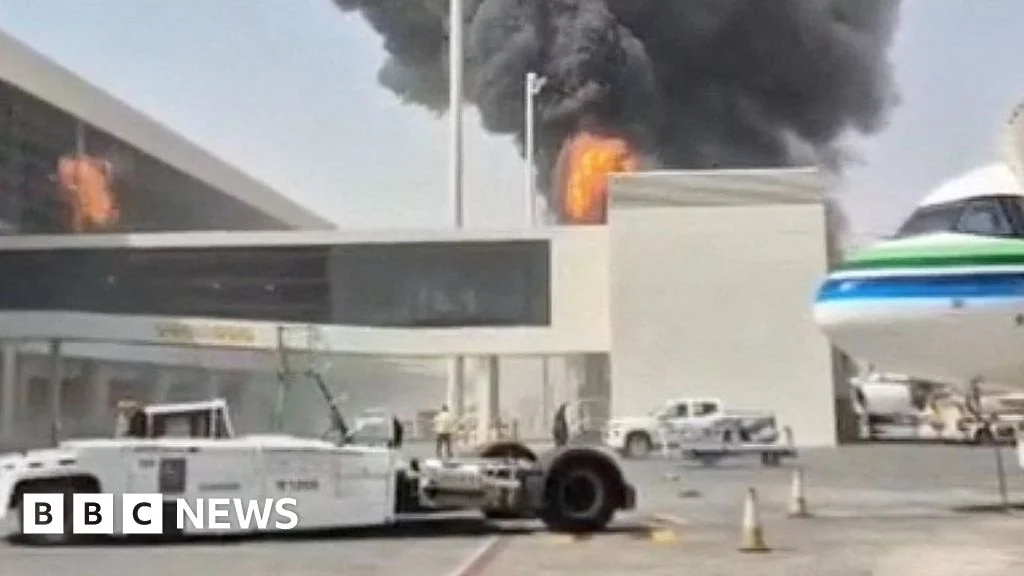
Over the past week, multiple aerial incidents have disrupted domestic stability, most notably affecting major civil aviation terminals. At the capital’s King Khalid International Airport, consecutive strikes resulted in casualties and forced temporary closures. Authorities confirmed that a projectile hit Terminal 4 on a Sunday, resulting in the death of a Pakistani resident. This followed an even deadlier missile strike on Terminal 3 a day prior, which claimed 13 lives—including four Saudi nationals alongside multiple foreign citizens from Bangladesh, the United States, Egypt, Jordan, Syria, Palestine, Sudan, and India—and prompted a mandatory closure of the facility.
Further compounding the security challenges, an airport facility and a grounded aircraft were hit in preceding days, resulting in three additional deaths among Saudi nationals, including an airline pilot. Beyond the capital, King Fahd International Airport in the north-eastern city of Dammam experienced an attack on Sunday evening, though aviation authorities reported no casualties from that incident. Meanwhile, coalition forces intercepted an incoming drone in the Eastern Province and thwarted a separate missile targeting Khamis Mushait in the south-west.
Retaliation Claims and International Diplomatic Fallout
The escalation follows the unravelling of a multi-year informal ceasefire that had previously kept cross-border hostilities in check. Houthi military spokesman Yahya Sarea formally claimed responsibility for the operations, stating in a video address that missile and drone units targeted airports in Riyadh and Dammam alongside two energy installations in the Eastern Province. According to the Houthi leadership, these actions served as retaliation for more than 100 air strikes conducted by the Saudi-led coalition inside Yemen over a preceding 24-hour window.
The cross-border campaign has triggered sharp international reactions. United Nations Secretary-General António Guterres expressed deep shock at the targeting of civilian infrastructure, emphasizing that such actions contravene international law. In Washington, political leadership weighed options regarding potential direct support for Saudi retaliatory operations against the Houthi movement, supplementing the intelligence and targeting assistance already provided by U.S. military elements. Conversely, Iranian officials voiced deep concern over the spiraling confrontation, advocating for diplomatic engagement to de-escalate the crisis while reiterating denials of providing military support to the Yemeni group.
Implications for Global Energy Markets and Regional Logistics
The friction extends beyond immediate air defense concerns, directly influencing global economic arteries. Following recent territorial shifts along Yemen’s south-eastern Red Sea coast, where pro-government forces and coalition air support clashed with Houthi units near the Bab al-Mandab Strait, maritime security has deteriorated. Because Saudi exporters have increasingly relied on Red Sea transit routes following disruptions in the Persian Gulf, the ongoing maritime tensions have contributed directly to measurable surges in global oil prices.
Despite the operational disruptions and heightened threat levels, energy leadership in Riyadh emphasized national resolve during the ongoing congressional sessions. While acknowledging that infrastructure and institutional resilience have faced severe tests, officials maintained that safety protocols and protective measures remain absolute priorities for international participants gathered in the kingdom. As military actions persist across multiple fronts—including ongoing pro-government offensives and coalition air support in Yemen—the pathway toward restoring a sustainable truce remains narrow amid mutual vows of escalation.