
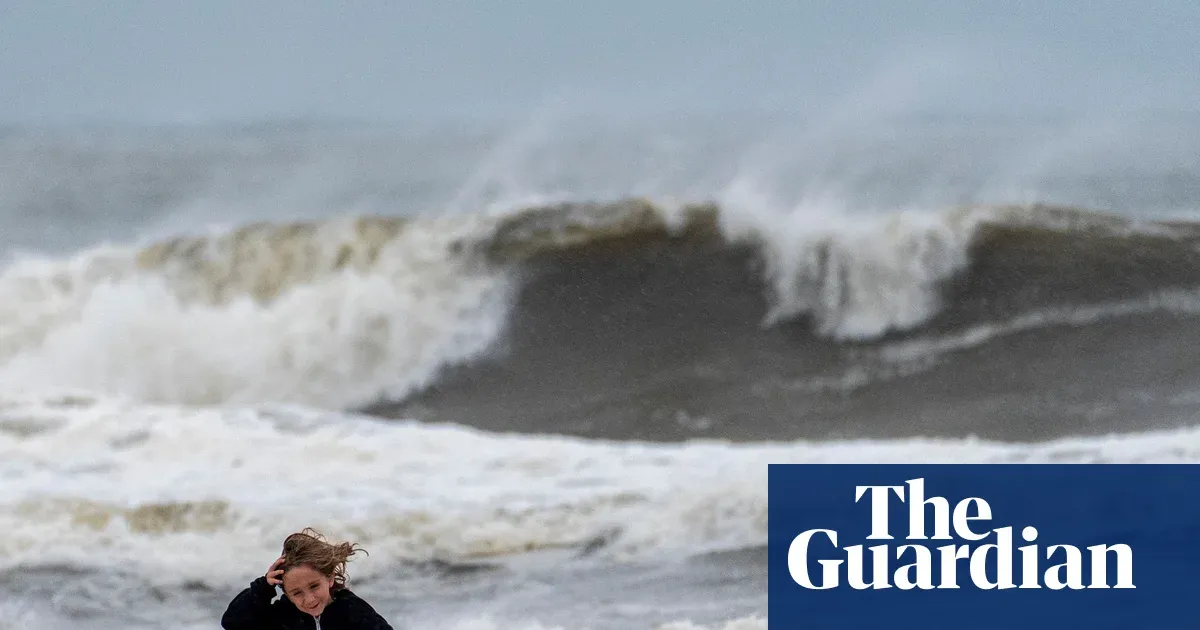
Hurricane Isaias crashed into the US Gulf Coast as a dangerous Category 2 storm on Friday, 9 October 2026, battering coastal communities across Alabama and the Florida Panhandle with high winds, torrential rain, and life-threatening storm surges. According to the National Hurricane Center (NHC), the first hurricane of the Atlantic season made landfall near Destin, Florida, packing maximum sustained winds of 105 mph (169 kph). Initial reports published at 02.44 BST on Saturday, 10 October 2026, and updated at 04.56 BST highlighted that the storm weakened slightly from its peak as a Category 3 hurricane before crossing the coastline due to shifts in wind speed.
Despite dropping below major hurricane status prior to landfall, officials warned that the system continued to pose grave hazards as it moved inland. Florida Governor Ron DeSantis urged residents during a news conference to stay off roads and prepare for persistent flash flooding throughout the region. Warnings issued by the NHC included projected storm surges of up to 7ft (2.1 meters) along the Alabama-Florida state line, with heavy rainfall and strong wind gusts threatening regions as far north as Georgia.
Widespread Wind Damage and Emergency Declarations
In Pensacola, located roughly 50 miles (80km) west of Destin, severe conditions were reported firsthand as howling winds ripped roofs off homes and businesses, snapped tree branches, and knocked out power grids. Jonathan Ramos, a 40-year-old government employee staying in Pensacola, described the scene as intense and scary, advising others against visiting the area. Further along the Florida Panhandle, environmental monitoring stations tracked extreme measurements: National Oceanic and Atmospheric Administration (NOAA) officials recorded water levels 5.4 feet (1.64 meters) above average at Panama City Beach, while Pensacola City Hall, approximately 125 miles west of early impact zones, recorded a wind gust reaching 102 mph (164km/h). In Crestview, meteorologist footage captured the fallen canopy of a gas station destroyed by severe gusts.
The governors of Florida, Alabama, and Mississippi all declared states of emergency ahead of the hurricane’s arrival. Shortly before landfall, Alabama Governor Kay Ivey announced that President Donald Trump had approved a federal emergency declaration for her state to streamline assistance. By Friday evening, tracking data from PowerOutage.com indicated that nearly 500,000 utility customers had lost electricity across Alabama and Florida. Most commercial flights across Panhandle airports were grounded, and several local prisons initiated evacuations for incarcerated populations situated in high-risk zones.
State Emergency Operations and Energy Market Impact
To assist affected populations, the Florida National Guard deployed approximately 5,000 soldiers and airmen, including 400 personnel dedicated specifically to route clearance and structural damage assessment. The Florida Fish and Wildlife Conservation Commission mobilized rescue equipment, including 10 airboats, 18 shallow-draft boats, 9 ATVs, and 6 larger platform vessels. To support local evacuations, state authorities partnered with Uber to offer free round-trip rides worth up to $40 each way to official emergency shelters.
The hurricane also disrupted energy operations across the region. Offshore oil and natural gas producers shut down a substantial portion of production facilities in the Gulf of Mexico, a vital region that accounts for almost 15% of total annual US crude oil output.
Meteorologically, Isaias stands out as one of the two latest-forming first Atlantic hurricanes on record, tying a historical mark set on 8 October 1905. None of the 8 previous named storms during the 2026 Atlantic hurricane season had reached hurricane intensity. The severity of the storm was further reflected by the closure of dozens of Waffle House restaurants across the Florida Panhandle—a rare step for the Southern chain, which local residents like Kelsei Frazier of Pace recognize as an informal barometer of extreme weather severity.