Online shopping platforms like AliExpress have opened the door for millions of buyers around the world to access affordable gadgets, electronics, accessories, and everyday products. With global shipping and competitive prices, many shoppers turn to international marketplaces to discover items they might not easily find locally.
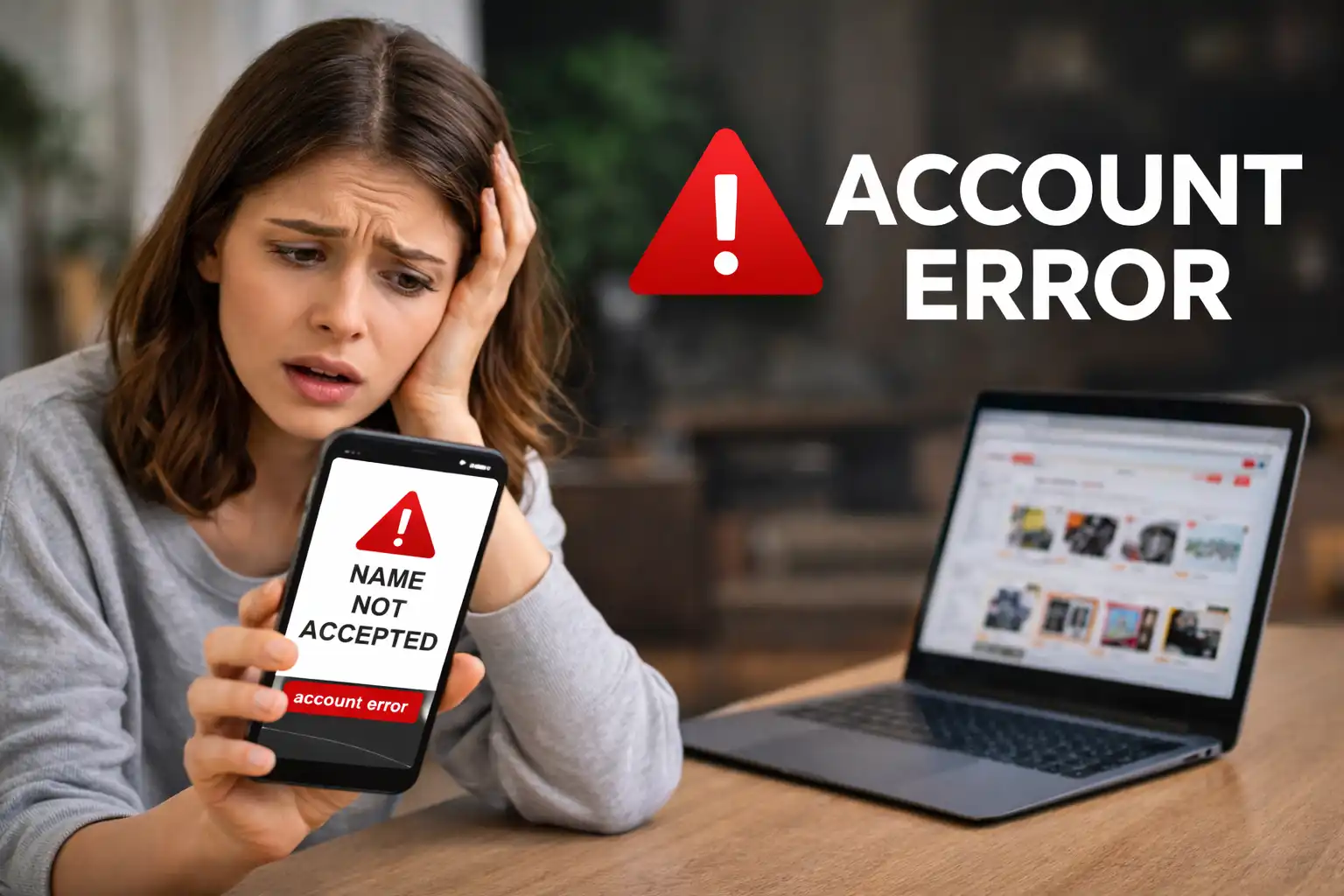
However, not every experience with online marketplaces goes smoothly. Some buyers encounter unexpected account or verification issues before they can even complete a purchase. One problem that occasionally appears in customer complaints is the inability to use a real name when registering or placing an order.
At first glance, this situation can feel confusing and frustrating. After all, using your real name is normally the most natural and correct way to place an order online. When a system rejects that information or creates barriers during checkout, buyers often feel stuck in a loop with automated customer service responses that don’t seem to resolve the issue.
Understanding why this happens can help buyers better navigate similar problems when using international e-commerce platforms.
What Actually Happened
In this situation, a buyer attempted to shop on AliExpress but encountered an unexpected problem during the account or checkout process. The system did not allow the buyer to use their real name, preventing them from completing the purchase normally.
Naturally, the buyer tried to contact customer support for help. However, the support experience did not feel helpful. The responses appeared automated and repetitive, leading the buyer to feel as if the conversation was going in circles rather than moving toward a real solution.
This kind of situation can quickly become frustrating. Imagine trying to unlock a door with the correct key, but every time you turn the handle, another automated system tells you to try the same steps again.
For buyers who simply want to purchase a product, the process can feel unnecessarily complicated.
Why This Problem Happens
Although situations like this can feel unfair, there are several technical reasons why a marketplace might restrict certain names or account details.
One common factor is automated security systems. Large online marketplaces process millions of transactions daily and rely heavily on automated systems to detect suspicious activity. If a system detects patterns that resemble bot activity, duplicate accounts, or unusual login behavior, it may temporarily block certain information fields.
In some cases, the system may also flag names that appear incomplete, formatted unusually, or similar to previously flagged accounts. While these systems are designed to protect the marketplace from fraud or abuse, they can occasionally create false positives that affect legitimate users.
Another factor involves identity verification rules. Some platforms apply regional compliance checks or anti-fraud filters that require names to match certain formatting standards. If the system does not recognize the input format correctly, it may reject the information even if the name is valid.
Customer support interactions can sometimes feel confusing because many large platforms now use AI chat assistants as the first level of support. These automated systems are designed to answer common questions quickly, but they may not fully understand more unusual account issues.
When that happens, buyers may feel like they are repeating the same conversation without reaching a human support agent who can manually review the problem.
How Buyers Can Protect Themselves
While issues like this are not extremely common, there are a few practical steps buyers can take if they encounter similar problems.
First, try checking whether the name format follows the platform’s guidelines. Some marketplaces require first and last names in specific formats or may reject certain special characters.
Second, verify that the account profile information matches the shipping address details. Inconsistent information between the account name, payment details, and delivery address can sometimes trigger automated verification systems.
Another useful step is clearing browser cache or attempting the purchase through a different device or network. Occasionally, temporary technical issues or cookies stored in the browser can interfere with the checkout process.
If automated support systems do not resolve the issue, buyers may also try contacting support through different channels such as help center forms or official email support. Sometimes escalating the issue through another contact method can reach a human support representative.
Recommended Alternatives / Better Shopping Tips
Global online shopping continues to grow rapidly, and platforms like AliExpress remain popular because of the wide variety of affordable products available. However, experienced shoppers often develop habits that help them avoid unnecessary frustration.
One useful strategy is to create accounts carefully and verify profile information early, before placing orders. This can reduce the chances of account restrictions appearing during checkout.
Another helpful approach is to explore curated product recommendations and trusted shopping guides. These resources can help buyers discover useful gadgets and trending products without spending hours navigating complicated listings.
If you’re interested in exploring trending gadgets and useful products that shoppers around the world are currently discovering, you can browse curated insights here:

Learning from other buyers’ experiences can often make online shopping smoother and more enjoyable.
Conclusion
Online marketplaces provide incredible opportunities to discover affordable products globally, but automated systems, security filters, and AI-based support can sometimes create unexpected challenges for buyers.
When a platform does not accept account information such as a real name, the situation can feel confusing and frustrating. However, in many cases the issue is related to automated verification systems rather than intentional restrictions.
By understanding how these systems work and taking a few precautionary steps when setting up accounts, buyers can reduce the chances of running into similar obstacles.
As global e-commerce continues to expand, informed shoppers who understand how platforms operate will always have a better experience navigating online marketplaces.
Have you ever experienced an account issue or verification problem while trying to buy something online? What steps did you take to solve it?