
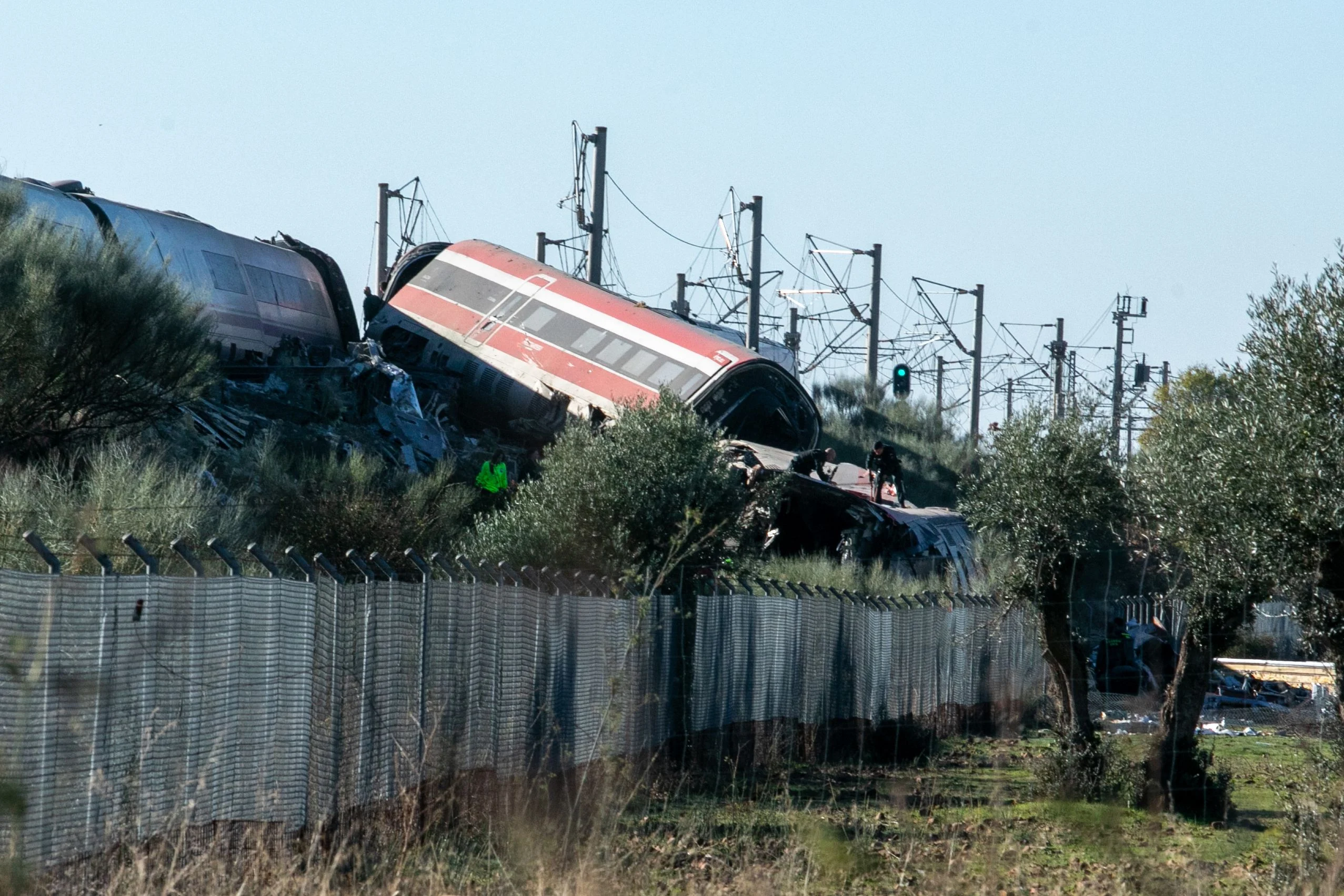
Tragic High-Speed Train Collision Strikes Toledo Province
A devastating rail disaster unfolded in central Spain when a high-speed passenger service collided headlong into a stationary train, resulting in at least 68 fatalities and injuring approximately 100 individuals. The catastrophic incident occurred on Wednesday along a heavily traveled corridor south of Madrid, throwing passengers airborne and leaving multiple carriages heavily damaged or burning. Emergency teams immediately mobilized hundreds of responders to the remote stretch of track located between Urda and Los Yebenes in the Toledo province.
Regional authorities confirmed that the death toll included at least 24 people traveling aboard the state-operated Renfe AVE high-speed service, while 44 victims were located within the stationary unit operated by private rail company Iryo. The Renfe train had been carrying 393 passengers toward Seville, whereas the stationary Iryo formation held 151 occupants. Hospitals across the region received the injured, more than 100 of whom suffered conditions of varying severity, prompting the establishment of temporary medical facilities and specialized victim identification centers.
Chain of Events Leading to the Crash
Transport Minister Óscar Puente outlined the sequence of operational failures that preceded the disaster during a subsequent press briefing. The initial disruption began along a 63-kilometer stretch of track between Madrid and Seville due to a computer system failure affecting the primary LZB train management safety system. This malfunction automatically halted all active rail traffic throughout the affected sector to prevent hazards.
According to the ministry, Adif—the state-owned enterprise responsible for Spanish railway infrastructure—subsequently assumed manual command of the network. Despite a red signal remaining active to prohibit movement, a decision was authorized by a train controller allowing the southbound Renfe high-speed train to resume its journey without speed restrictions. Between 8:36 a.m. and 8:52 a.m. local time, the locomotive traveled approximately 25 kilometers at a velocity reaching roughly 200 kilometers per hour before striking the stationary Iryo convoy.
Emergency Operations, Investigations, and Political Fallout
More than 500 emergency personnel, backed by the Spanish Civil Guard, Civil Protection units, helicopters, tracking dogs, and drones conducting 3D aerial reconstructions, worked through the night under floodlights to scour the wreckage. Prime Minister Pedro Sánchez traveled directly to the site near Urda, declaring three days of national mourning and promising absolute transparency. Sánchez emphasized that any identified negligence or structural safety vulnerabilities will be addressed with strict accountability.
The tragedy has intensified political and labor tensions across Spain. Independent trade union CSIF publicly demanded the resignation of Transport Minister Puente following his characterization of the controller’s directive as inexplicable, arguing that officials should avoid scapegoating operations staff while independent safety commissions and network operators conduct formal investigations. Simultaneously, Renfe announced widespread service suspensions connecting Madrid with Andalusia, Barcelona, and Valencia, while foreign leaders and international organizations offered widespread condolences for the victims.