
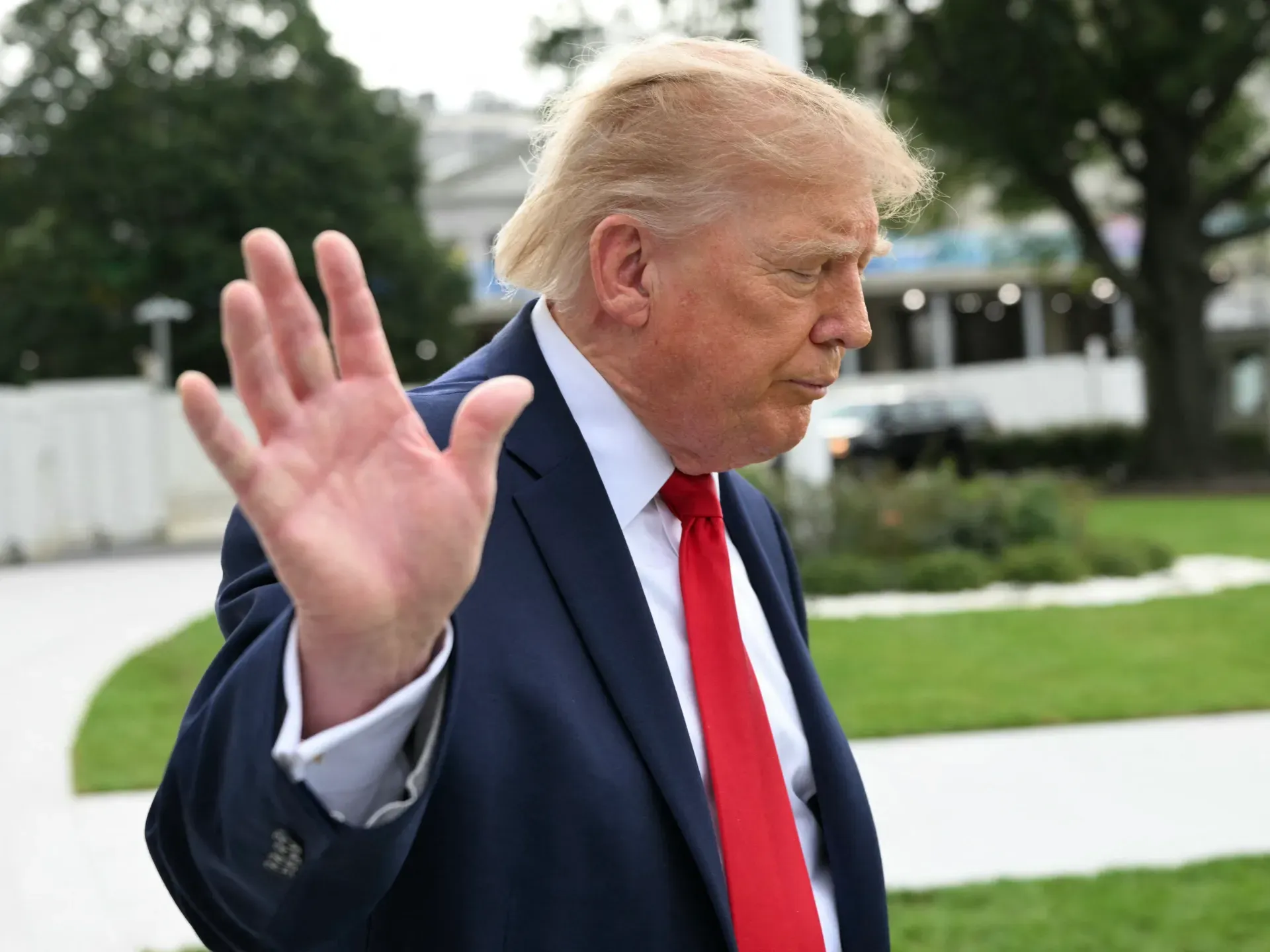
Efforts to de-escalate the conflict in the Middle East hit a major roadblock on Saturday when United States President Donald Trump formally rejected a seven-day diplomatic roadmap submitted by Iran. The Iranian initiative, unveiled at the United Nations General Assembly in New York, offered a structured timeline to lift maritime blockades and reopen the vital Strait of Hormuz. However, Trump dismissed the proposal during remarks at the White House, asserting that Tehran’s urgency to secure an agreement stemmed strictly from suffering severe military and economic pressure.
Despite acknowledging a general interest in striking a broader deal, Trump made clear that the specific conditions presented by Tehran were unacceptable to Washington. The refusal leaves the vital global energy corridor in a state of limbo, with little immediate prospect for a negotiated breakthrough.
Inside Tehran’s Seven-Day Framework and Washington’s Response
The rejected plan, detailed by Iranian Foreign Minister Abbas Araghchi, outlined a rapid sequence of reciprocal steps. Under Tehran’s proposition, the US would release frozen Iranian assets, end its naval blockade on Iranian ports, and lift sanctions targeting the country’s oil sector within four to five days. In exchange, Iran would reopen the Strait of Hormuz to commercial shipping, paving the way for full-scale negotiations on a definitive peace accord by the seventh day.
Araghchi had previously presented broader terms during talks with Steve Witkoff, Trump’s special envoy, which included extending a regional ceasefire to cover ongoing hostilities in Lebanon and Yemen. Responding to Trump’s public statements via his Telegram channel, Araghchi reiterated that Tehran remains firm on its core demands while awaiting official communication from international mediators.
Pointing to what he described as a history of inconsistent statements from the White House, Araghchi stated that Iran will base its next decisions on formal feedback delivered through established diplomatic intermediaries rather than media comments. He stressed that a negotiated solution remains the sole realistic mechanism to resolve the current crisis.
Escalating Economic Pressures and Maritime Blockades
The maritime standoff in the Strait of Hormuz began shortly after the United States and Israel launched military operations on February 28. In response, Iranian forces restricted movement through the strategic waterway, conducting targeted attacks on vessels that severely curtailed shipping across global oil supply routes.
In tandem with naval engagements, Washington implemented a comprehensive economic blockade against Iran, backed by threats of secondary sanctions targeting foreign infrastructure and transport hubs doing business with Iranian aviation companies. The ripple effects have hit regional travel networks hard, forcing airlines across the United Arab Emirates, Iraq, and Oman to suspend or cancel commercial flights.
Deepening Trust Deficit and Political Skepticism
Addressing reporters during the UN General Assembly, Iranian President Masoud Pezeshkian expressed severe doubts regarding Washington’s reliability as a negotiating partner. Pezeshkian noted that previous diplomatic discussions were repeatedly followed by renewed military strikes and expanded sanction regimes, undermining any remaining baseline of trust.
Pezeshkian also challenged Washington’s narrative regarding the maritime closure, contending that American economic and naval actions had effectively blocked shipping routes prior to Iran’s countermeasures. He reiterated that commercial access to the Strait of Hormuz could be restored swiftly if comprehensive peace negotiations reached a successful conclusion.
A State of Limbo Ahead of US Midterm Elections
Reports indicating Washington’s posture had surfaced even before Trump’s public address. Citing internal government sources, reporting from The Wall Street Journal revealed that the administration held deep skepticism about Tehran’s willingness to fulfill US terms. Private discussions within the White House suggested preparations for potential renewed military actions following the US midterm elections in November.
Diplomatic analysts suggest that Tehran likely anticipated the rejection of its seven-day timeline. According to Ross Harrison, a senior fellow at the Middle East Institute, the initiative was primarily intended as a public gesture to signal flexibility both to domestic audiences within Iran and to the American electorate. Harrison highlighted that the terms closely mirrored a previous memorandum of understanding signed in June, which Iranian officials believe was systematically undermined by Washington.
With no alternative peace proposal offered by the White House, observers note that both nations remain locked in a costly stalemate. As public concerns over a prolonged conflict grow, the rejection of Tehran’s short-term roadmap ensures that commercial shipping through the Strait of Hormuz remains severely restricted for the foreseeable future.