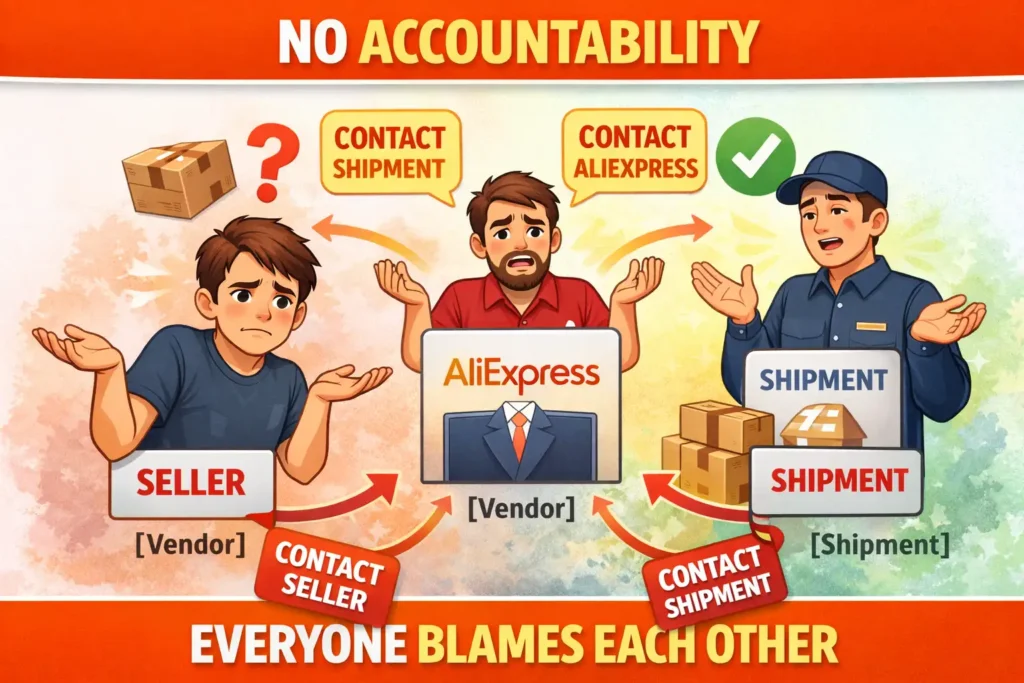
If you read enough reviews about AliExpress, you’ll notice something interesting. Some people have endless complaints about shipping, support, or delivery issues. But at the same time, there are many users who say the exact opposite. They say shopping is easy, prices are good, and they’ve been using the platform for years without major problems.
This difference is not random, and it’s not just luck.
In many cases, people who consistently have a good experience are unknowingly following patterns that align with how the platform actually works. They may not call it a strategy, but their behavior naturally avoids the common mistakes that cause frustration for other users.
Once you start looking at AliExpress this way, you realize something important: the platform experience is heavily influenced by user behavior, not just by the platform itself.
A good experience usually follows a pattern
People who say they have a smooth experience usually do a few things differently, even if they don’t realize it. They tend to buy items that are simple, easy to ship, and low risk. They don’t usually rely on one urgent order, and they don’t expect every package to arrive on the exact estimated date.
Over time, this creates a pattern where most purchases arrive without major issues, and the overall experience feels easy and reliable.
This is why two people can use the same platform and have completely different opinions. One is constantly frustrated, while the other says everything works fine. The difference is often in expectations, product selection, and buying behavior.
Why simple products usually lead to better experiences
One thing many experienced buyers learn over time is that simple products tend to create fewer problems. Items like clothing, accessories, desk items, simple tools, or lifestyle products usually travel well, are easier to manufacture consistently, and are less likely to break during shipping.
More complex items—especially electronics, mechanical parts, or fragile products—introduce more risk. Not because sellers are bad, but because more variables are involved in production, packaging, and transportation.
👉 The simpler the product, the smoother the experience tends to be.
This is one of the quiet patterns behind many positive AliExpress experiences.
When expectations match the system, everything feels easy
Another important factor is expectation management.
Buyers who are satisfied usually understand a few basic things:
- international shipping takes time
- tracking may not update every day
- delivery may not be perfectly synchronized
- price is lower because the system is slower and more complex
Because they understand this from the beginning, they don’t panic when small delays happen. They don’t expect the platform to behave like a local store. And this mindset alone removes a lot of frustration.
👉 When expectation matches reality, the experience feels smooth.
Why experience improves over time
Many long-term users say the same thing: the more they use AliExpress, the easier it becomes. This is not just because the platform improves, but because the user becomes smarter.
They learn:
- which sellers are reliable
- which shipping methods work best
- which products are safe to buy
- how to read reviews properly
- how to avoid risky purchases
Over time, they stop guessing and start choosing based on patterns. And once decisions are based on patterns instead of random browsing, the success rate increases significantly.
Where the experience becomes more controlled
At some point, experienced buyers stop treating AliExpress like a random shopping app. They start treating it like a sourcing system.
They:
- order items in cycles
- keep small buffer stock
- don’t depend on one shipment
- accept that delivery timing varies
This structure removes pressure and makes the entire process feel more controlled. Instead of waiting and worrying, they simply receive items regularly over time.
👉 This is when AliExpress stops feeling risky and starts feeling predictable.
If you’re curious how this mindset translates into actual product selection, below are examples of items chosen based on seller reliability, review patterns, pricing balance, and overall consistency rather than just “cheap price.”

This is not a recommendation to buy anything, but a reference to show how experienced buyers filter products before making decisions.
Why some people never seem to have problems
In the end, people who say AliExpress is easy are not necessarily lucky. Most of the time, they are simply aligned with how the system works. They choose the right types of products, manage expectations, and structure their buying behavior in a way that reduces risk.
People who struggle often try to force the platform to behave like a local marketplace, and that mismatch creates frustration.
👉 The platform experience often reflects the user strategy.
A simple question to think about
Do you think AliExpress is easy because the platform is perfect…
or because some users have learned how to use it properly?