
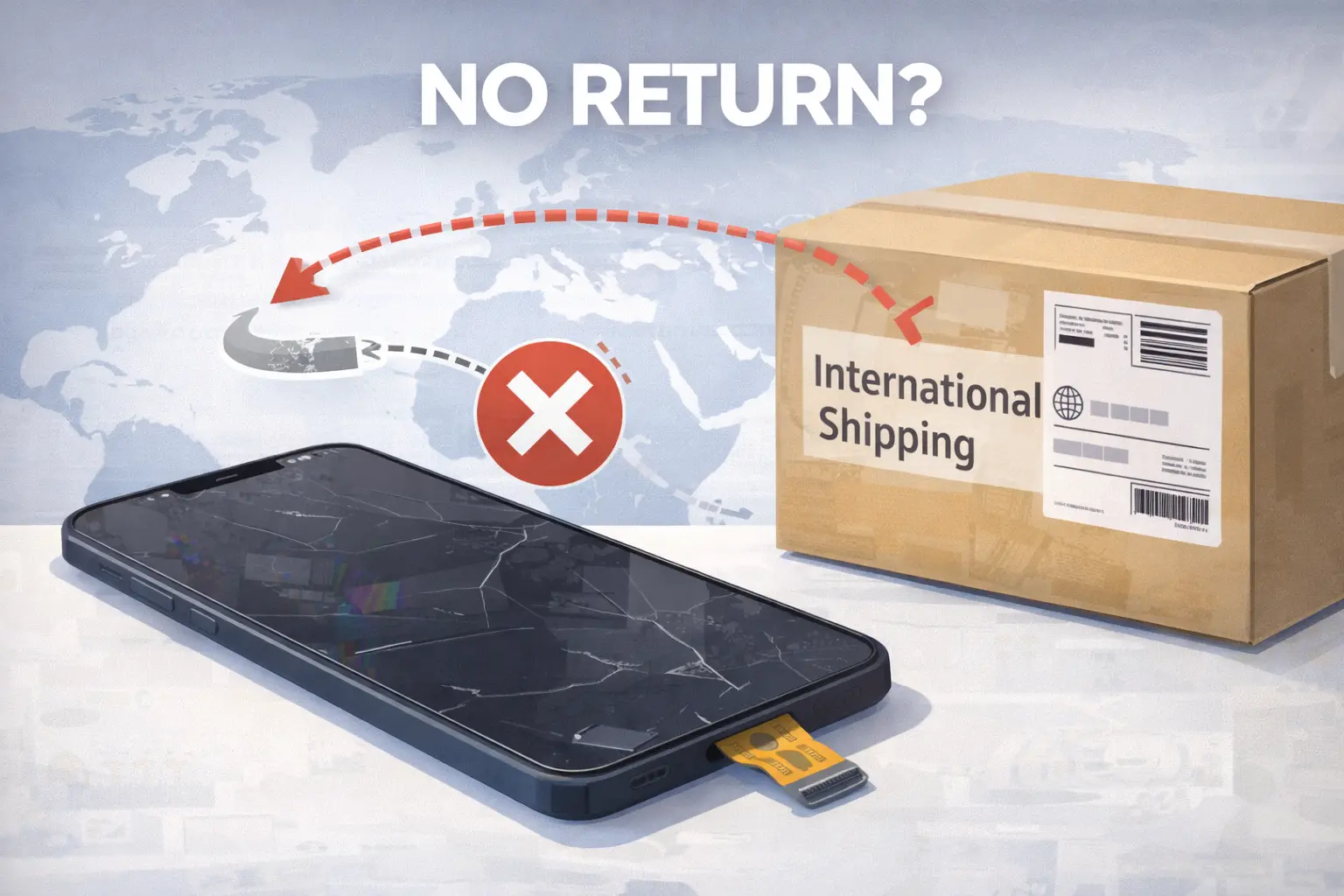
For many online shoppers around the world, AliExpress has become a popular place to buy electronics, accessories, and replacement parts at relatively low prices. From phone screens to cables and gadgets, the platform offers a huge variety of products that are often much cheaper than local retail options.
But the experience can be very different depending on where the buyer lives.
Some customers in Nigeria report that ordering from AliExpress can feel like a one-way purchase — meaning once the item arrives, returning it becomes extremely difficult or practically impossible.
If the product works, everything is fine.
But if the product arrives damaged or defective, the situation can quickly become frustrating.
When a Replacement Part Arrives Broken
Imagine ordering a replacement AMOLED screen for your phone. You wait several weeks for the international shipment to arrive, open the package carefully, install the screen — and discover it doesn’t work.
At this point, most buyers expect to return the product and request a refund.
In many local online stores, the process is simple:
- send the item back
- seller verifies the problem
- refund or replacement is issued
However, international marketplaces often operate differently.
For some buyers in Nigeria, returning an item can become far more complicated than expected.
Why Returns Are Harder in Some Countries
The difficulty often comes down to logistics infrastructure.
When a seller ships a product internationally from another country, returning that same product means sending it all the way back through the same cross-border shipping system.
That involves:
- international postage
- customs processing
- return logistics agreements
- shipping cost responsibilities
In many cases, the cost of returning the product can actually be higher than the product itself.
Think of it like ordering a small item from another continent. Sending it back requires another international shipment, which can be expensive and slow.
Because of this, many sellers and platforms rely on digital dispute systems rather than physical returns.
How the Dispute System Usually Works
When buyers receive a defective product, the platform usually asks for proof before issuing a refund.
This proof may include:
- photos of the item
- videos showing the defect
- screenshots of installation attempts
The system then evaluates whether the product is genuinely defective.
But even when a dispute is opened, outcomes can vary depending on the seller, the evidence provided, and the specific logistics policies for that region.
For buyers in countries with limited return shipping infrastructure, this can create the feeling that refunds are difficult to obtain.
Why Some Platforms Handle Returns Differently
You mentioned that platforms like Temu appear to handle returns more smoothly in some cases.
That difference often comes from logistics strategy.
Some marketplaces operate with:
- regional warehouses
- local return centers
- simplified refund policies
When a platform has warehouses closer to the buyer’s region, returns become easier because the product doesn’t need to travel internationally again.
AliExpress traditionally relies more heavily on direct shipping from individual sellers, which can make returns more complex depending on the country.
A Quick Look at the Difference
| Marketplace System | How Returns Usually Work |
|---|---|
| Direct seller shipping | Returns may require international shipping |
| Regional warehouse system | Returns handled locally |
| Digital dispute system | Evidence used instead of physical return |
Understanding these differences helps explain why return experiences vary between platforms.
How Buyers Reduce Risk When Ordering Internationally
Experienced international shoppers often take a few precautions before ordering high-value items from overseas sellers.
For example:
- checking seller ratings and reviews carefully
- reading buyer comments about product quality
- avoiding expensive electronic parts from unknown sellers
- recording installation or unboxing videos
These small steps can increase the chances of resolving a dispute successfully if something goes wrong.
Researching Reliable Products Before Buying
International online shopping can offer great deals, but it also requires a bit of research.
Many experienced buyers prefer exploring curated product recommendations and trending gadgets before placing an order. This helps them identify items that other buyers have already tested.
If you’re interested in discovering useful gadgets and trending everyday products that global buyers are currently exploring, you can browse curated insights here:
Learning from other buyers’ experiences can make cross-border shopping much easier.
Is It Worth the Risk?
For buyers in regions where return logistics are limited, international marketplaces can sometimes feel risky — especially when purchasing fragile electronics or replacement parts.
That doesn’t mean every purchase will go wrong, but it does mean shoppers should approach certain products carefully.
Understanding the logistics behind international returns can help buyers make smarter decisions before placing an order.
What Has Your Experience Been?
If you shop internationally from Nigeria or other regions with similar logistics challenges, your experience could help other buyers.
Have you ever received a damaged product from an overseas seller?
Were you able to resolve the dispute — or did the return process become too complicated?
Sharing real experiences often helps other shoppers understand what to expect.