
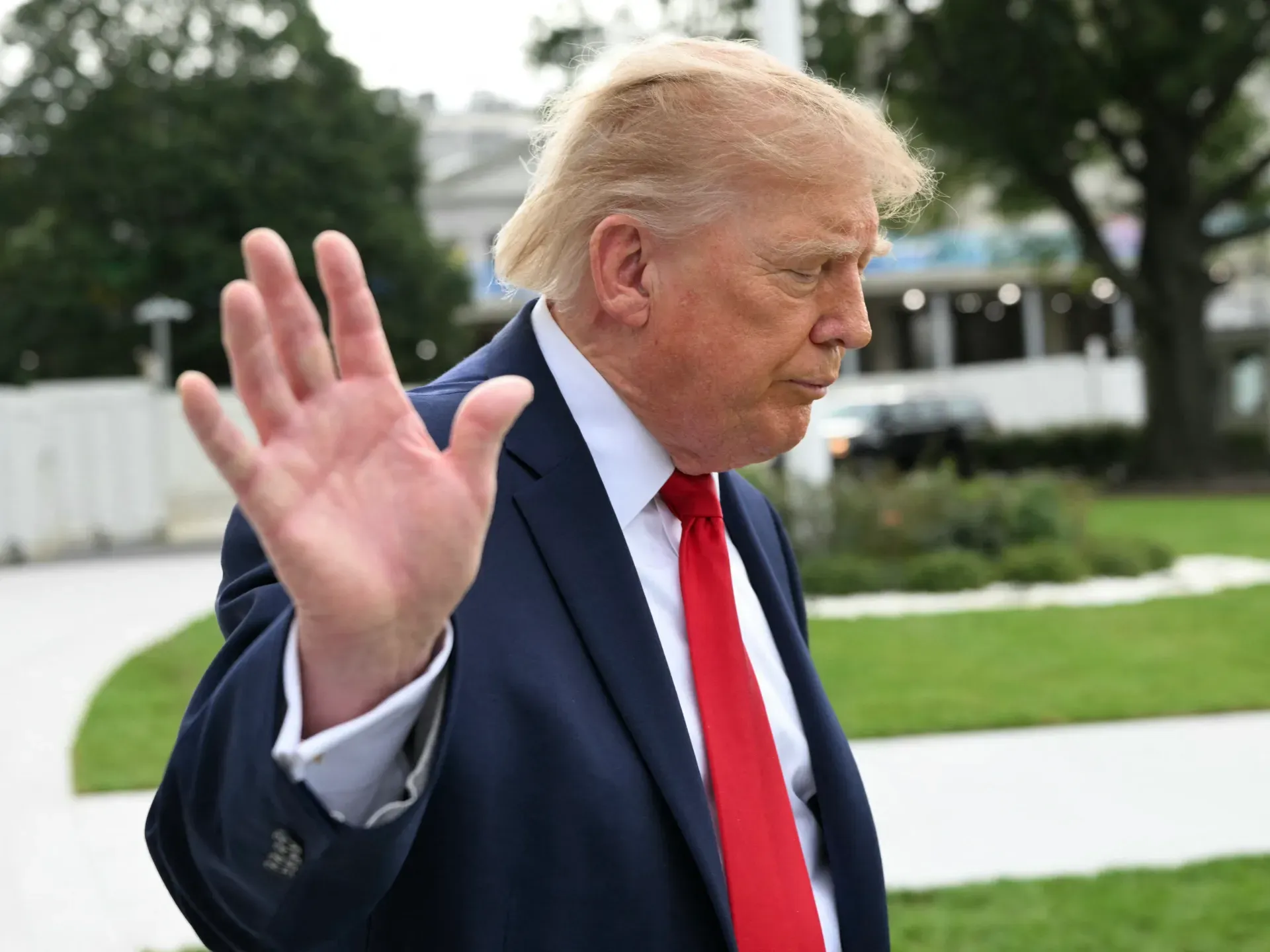
Diplomatic efforts to de-escalate the conflict between Washington and Tehran ran into a major obstacle on Saturday after US President Donald Trump publicly turned down a seven-day roadmap proposed by Iran to end hostilities and restore commercial transit through the Strait of Hormuz. Speaking to reporters outside the White House, Trump made it clear that while he remains open to reaching an agreement in principle, the specific terms put forward by Iranian negotiators are not acceptable to his administration.
The rejection follows months of military tension and maritime disruption across the Middle East. The Iranian proposal, conveyed through Qatari mediators during the United Nations General Assembly in New York, sought an immediate halt to fighting in exchange for significant sanctions relief and the unfreezing of Iranian state funds held abroad.
Inside Iran’s Proposed Seven-Day Roadmap
The roadmap delivered by Tehran presented a specific timeline aimed at normalizing maritime transit through one of the world’s most critical energy corridors within a single week. Iranian Foreign Minister Abbas Araghchi, who presented the terms during his attendance at the UN General Assembly, outlined several key concessions required from Washington before Tehran would clear the passage for commercial shipping.
Under the proposed agreement, Washington would be required to:
- Lift its naval blockade against Iranian commercial ports.
- Waive sanctions impacting Iranian crude oil exports.
- Release approximately $12 billion in frozen Iranian financial assets.
- Observe a comprehensive ceasefire encompassing regional fronts, including Lebanon and Yemen.
Iranian officials maintained that if Washington agreed to these conditions, normal navigation through the Strait of Hormuz could be fully restored within seven days. However, Araghchi emphasized that Tehran would not accept unilateral pressure or intimidation during discussions.
Washington’s Stance and Internal Skepticism
President Trump dismissed the offer as he departed the South Lawn on Saturday, characterizing Tehran’s willingness to negotiate as a sign of weakness. Trump asserted that Iran was eager for a deal because the nation was “losing so badly,” though he added that the terms presented were far from what the White House would consider viable.
The public refusal aligns with earlier reports regarding internal administration deliberations. Reports indicated that Trump remained privately skeptical of Iran’s commitment to long-term conditions. Furthermore, officials suggested the White House had weighed the possibility of expanding air operations against Iranian targets following the upcoming US midterm elections in November.
The impasse comes despite direct diplomatic engagement earlier in the week, when Araghchi held discussions with Trump’s envoy, Steve Witkoff. Analysts tracking the negotiations noted that Washington appears willing to remain in a state of political stalemate rather than accepting Tehran’s demand for full sanctions removal and asset unfreezing upfront.
Tehran Cites Fractured Trust as Stalemate Persists
Responding to Trump’s public comments, Foreign Minister Araghchi told Iranian state news agency IRNA that while Tehran had observed the initial public statements from the White House, it had not yet received an official, definitive answer delivered through Qatari intermediaries. Araghchi reiterated that a negotiated agreement remains the only practical exit from the current diplomatic deadlock, but maintained that any opening of the Strait depends entirely on meeting Iran’s conditions.
Meanwhile, Iranian President Masoud Pezeshkian expressed deep skepticism regarding future diplomacy with the United States. Speaking in New York, Pezeshkian stated that Tehran no longer trusts negotiations with Washington, citing previous instances where diplomatic talks were promptly followed by fresh sanctions and military action.
Addressing the maritime crisis directly, Pezeshkian rejected assertions that Iran was solely responsible for halting traffic through the Strait of Hormuz. He argued that the US naval blockade effectively closed trade routes to Iran first, framing Tehran’s actions as a direct reaction to Western economic and military isolation. Pezeshkian reiterated that commercial shipping could resume promptly if formal negotiations successfully brought an end to the wider war.
Global Implications of the Hormuz Deadlock
The ongoing standoff over the Strait of Hormuz continues to weigh heavily on international maritime security and global energy markets. Entering its seventh month, the conflict has disrupted vital trade lanes that handle a significant portion of the world’s daily petroleum supply.
With official diplomatic channels yielding no immediate breakthrough, both sides remain locked in a strategy of leverage. Washington continues to rely on economic sanctions and military containment, while Tehran conditions maritime access on broad sanction waivers and the return of impounded capital. Until mediators can bridge the gap between these opposing positions, commercial passage through the Strait remains largely restricted.