
Background and the Legal Challenge
The United States Department of Justice recently entered the spotlight regarding an upcoming Senate election in Alaska. Attorney General Todd Blanche spoke publicly to clarify the administration’s motives behind a lawsuit filed to preemptively challenge the certification of the race. According to federal officials, the legal action aims to establish administrative safeguards in case voters experience confusion during the voting process.
The electoral contest features Republican incumbent Senator Dan Sullivan competing against Democratic candidate Mary Peltola. Although the state typically leans heavily Republican, with President Trump winning the region by double digits in 2024, the current race has tightened significantly. Complicating the ballot structure is Alaska’s top-four primary and ranked-choice voting system, alongside an unexpected ballot addition.
The Second Dan Sullivan and Ballot Disputes
A key element driving the controversy involves another individual sharing the exact same name as the sitting senator. Daniel J. Sullivan, a former teacher, announced his candidacy for the Senate seat earlier in the year. This entry immediately triggered pushback from the incumbent senator’s camp, who sought to keep the challenger off the ballot.
An Alaska election official initially ruled the challenger ineligible in June, pointing to what was described as a deliberate attempt to confuse voters. However, that decision faced an appeal, and the state Supreme Court ultimately affirmed that the second candidate’s name legally belonged on the ballot. This ruling cleared the path for both individuals named Dan Sullivan to appear before voters.
Justice Department Guardrails and Official Stance
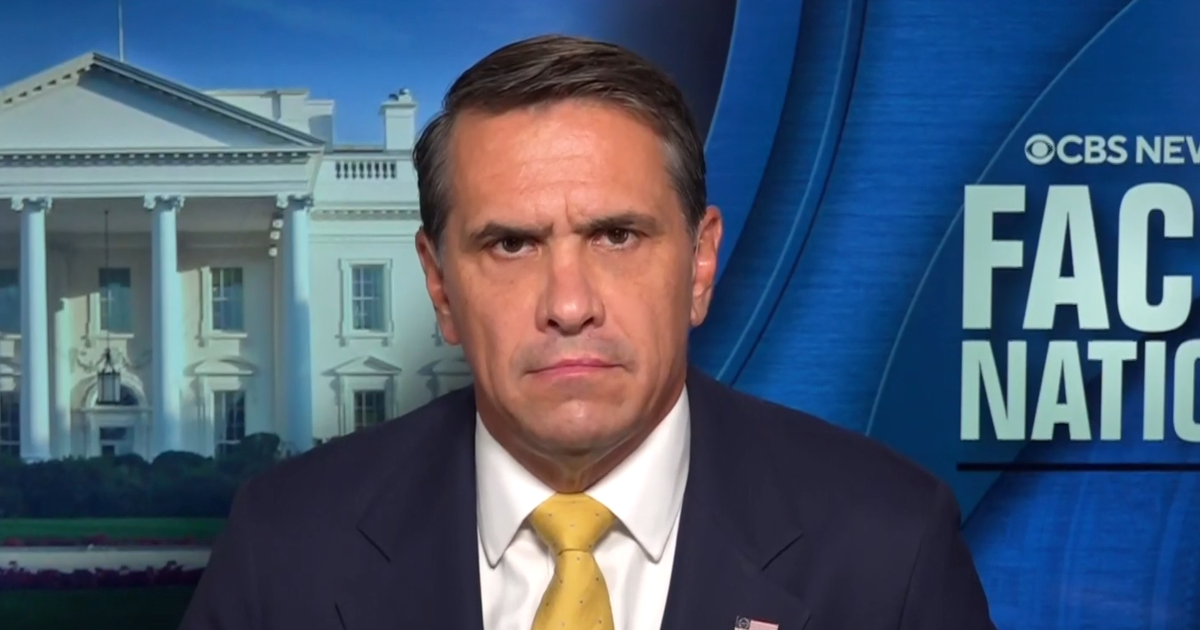
During a television appearance on Face the Nation, Attorney General Blanche pushed back against characterizations that the federal government is attempting to halt the election outcome entirely. He stated that the department is not demanding that officials refrain from certifying the results outright. Instead, the focus is on preserving ballots and maintaining a verifiable system if judicial review later indicates the outcome turned on voter confusion rather than genuine intent.
When questioned about the timing of the lawsuit filed 11 days prior to Election Day, Blanche explained that officials had anticipated an explicit written opinion with explanatory reasoning from the state Supreme Court. He noted that the sitting president has addressed the issue consistently over a period of months rather than treating it as a sudden development.
Political Reactions and Campaign Pushback
Reactions among lawmakers and political campaigns have varied sharply following the federal intervention. North Carolina Republican Senator Thom Tillis remarked that reviewing the situation is appropriate to ensure proper ballot administration, though he expressed reservations about filing a legal challenge before knowing whether qualifying facts would emerge.
Conversely, Alaska Republican Senator Lisa Murkowski strongly condemned the federal action on social media. She asserted that residents of her state require no outside assistance in selecting their preferred candidates and criticized the department for filing the lawsuit. Meanwhile, the Peltola campaign issued a severe rebuke, characterizing the federal move as an aggressive political threat intended to interfere with local election integrity.