
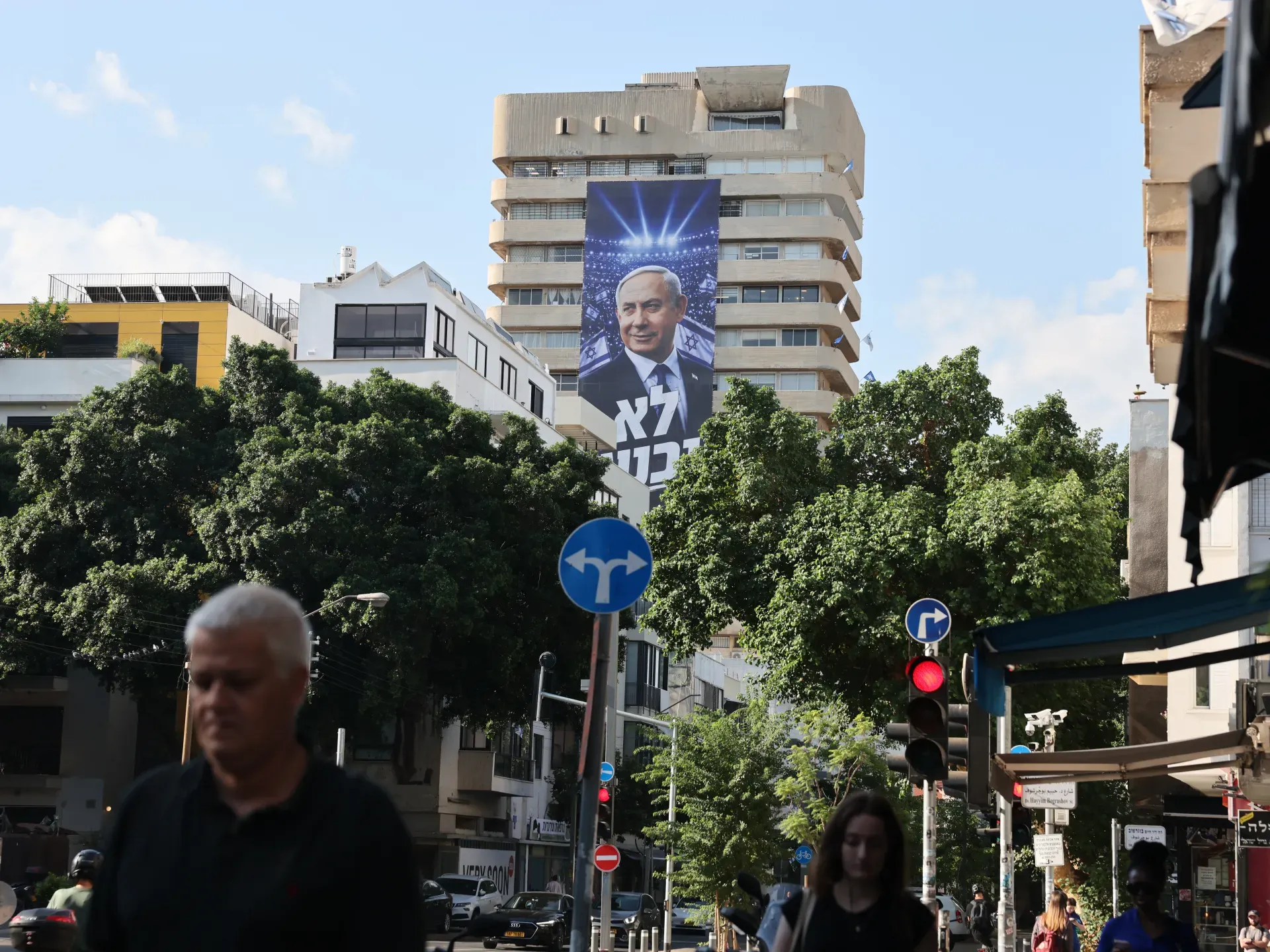
Understanding the Landscape of Israel’s 2026 Legislative Vote
Voters across Israel are preparing to cast their ballots in a legislative election cycle widely regarded as one of the most critical in the nation’s history. Scheduled for Tuesday, this high-stakes vote marks the first time citizens head to the polls since the escalation of hostilities and the Hamas-led attacks on October 7, 2023. As the country remains locked in multiple multi-year conflicts, an increasingly polarized domestic populace is navigating intense international scrutiny and profound questions about the government’s future direction.
To secure a place in parliament, political entities must clear an electoral threshold of 3.25 percent. The resulting legislative term lasts four years, during which lawmakers will attempt to steer a nation grappling with severe internal divisions and external pressures. The political playing field is heavily divided, centered around two major opposing coalitions striving to command the next administration.
Main Political Blocs and Recent Opinion Polls
The political architecture is split primarily between two competing alliances. On one side stands the pro-Netanyahu coalition, anchored by Prime Minister Benjamin Netanyahu’s Likud party. This bloc is reinforced by several far-right and ultra-Orthodox factions, including conservative religious groups United Torah Judaism (UTJ) and Shas, alongside Otzma Yehudi and Religious Zionism-Zehut, which are led by far-right ministers Itamar Ben-Gvir and Bezalel Smotrich, respectively.
Opposing them is a broad coalition comprising four Jewish-led opposition movements: the Yashar party under former military chief Gadi Eisenkot, the Democrats led by former deputy military chief of staff Yair Golan, Yisrael Beiteinu steered by former Finance Minister Avigdor Lieberman, and the Together alliance headed by former Prime Minister Naftali Bennett alongside Knesset opposition leader Yair Lapid.
Recent polling conducted before the final restriction on new surveys revealed that neither major faction was positioned to capture the necessary 61-seat majority in the 120-seat Knesset. Projections from public broadcaster KAN estimated that the opposition alliance might secure 52 seats, compared to 50 seats for Netanyahu’s bloc. The remaining seats are projected to fall to unaffiliated groups, notably the nation’s two primary Arab-majority political lists: Ra’am (the United Arab List) and the Joint List, an alliance consisting of the Hadash, Balad, and Ta’al parties.
Key Domestic and International Challenges
Voters are weighing a complex series of crises at both national and global levels. Domestically, public discourse is heavily driven by demands for accountability regarding the security lapses that preceded the October 2023 attacks. Additional friction points include widespread public anger over military service exemptions for the growing ultra-Orthodox community, as well as deep anxiety surrounding Netanyahu’s persistent push for judicial overhauls.
Critics argue that these judicial changes erode the foundations of Israel’s liberal democratic system. Mairav Zonszein, a senior analyst at the International Crisis Group, noted that secular and liberal factions view the election as a pivotal moment to safeguard democratic institutions.
Concurrently, a war-weary citizenry is evaluating how the government should handle ongoing military campaigns. Many voters prioritize basic economic and security stability while remaining strongly opposed to perceived concessions regarding Gaza, the occupied West Bank, and Lebanon.
Implications for Benjamin Netanyahu’s Political Future
As Israel’s longest-serving prime minister—having held office for over 15 of the past 17 years and a cumulative total of 19 years—Benjamin Netanyahu faces unprecedented scrutiny. Beyond questions surrounding the security failures of October 7, he continues to combat corruption charges that began in 2019.
An electoral defeat could leave him significantly more vulnerable in his ongoing corruption trial, which carries the possibility of a prison sentence upon conviction. Furthermore, a change in government could pave the way for an official commission of inquiry into the 2023 security failures and complicate his standing amid an arrest warrant for war crimes issued by the International Criminal Court.
The Role and Turnout of Palestinian Citizens of Israel
Out of approximately 7.3 million eligible voters, roughly 1.2 million are Palestinian citizens of Israel. Conversely, approximately three million adult Palestinians residing in Gaza, the occupied West Bank, and occupied East Jerusalem remain entirely unrepresented by the government controlling their borders, legal status, and freedom of movement.
Polling indicators suggest that turnout among Palestinian citizens of Israel could reach 60 percent, with the majority expected to support Arab political lists. If turnout climbs to 65 percent, these entities could potentially secure up to 15 seats in the Knesset. Campaign groups have set an ambitious target of a 70 percent turnout rate, which would mark a multi-decade high and raise the electoral bar, potentially excluding smaller factions from parliament.
The legal status of these parties faced scrutiny when Israel’s Central Elections Committee initially voted to bar both the Joint List and Ra’am from participating. Although the Supreme Court swiftly overturned the ban, it did mandate the withdrawal of Balad leader Sami Abu Shehadeh due to comments characterizing the October 7 events as a significant historical milestone.
With both major coalitions currently ruling out formal alliances with Arab-led parties, post-election negotiations appear fraught with potential deadlocks. Such an impasse could potentially leave Israel reliant on a minority government or headed toward an unprecedented repeat of legislative elections.