
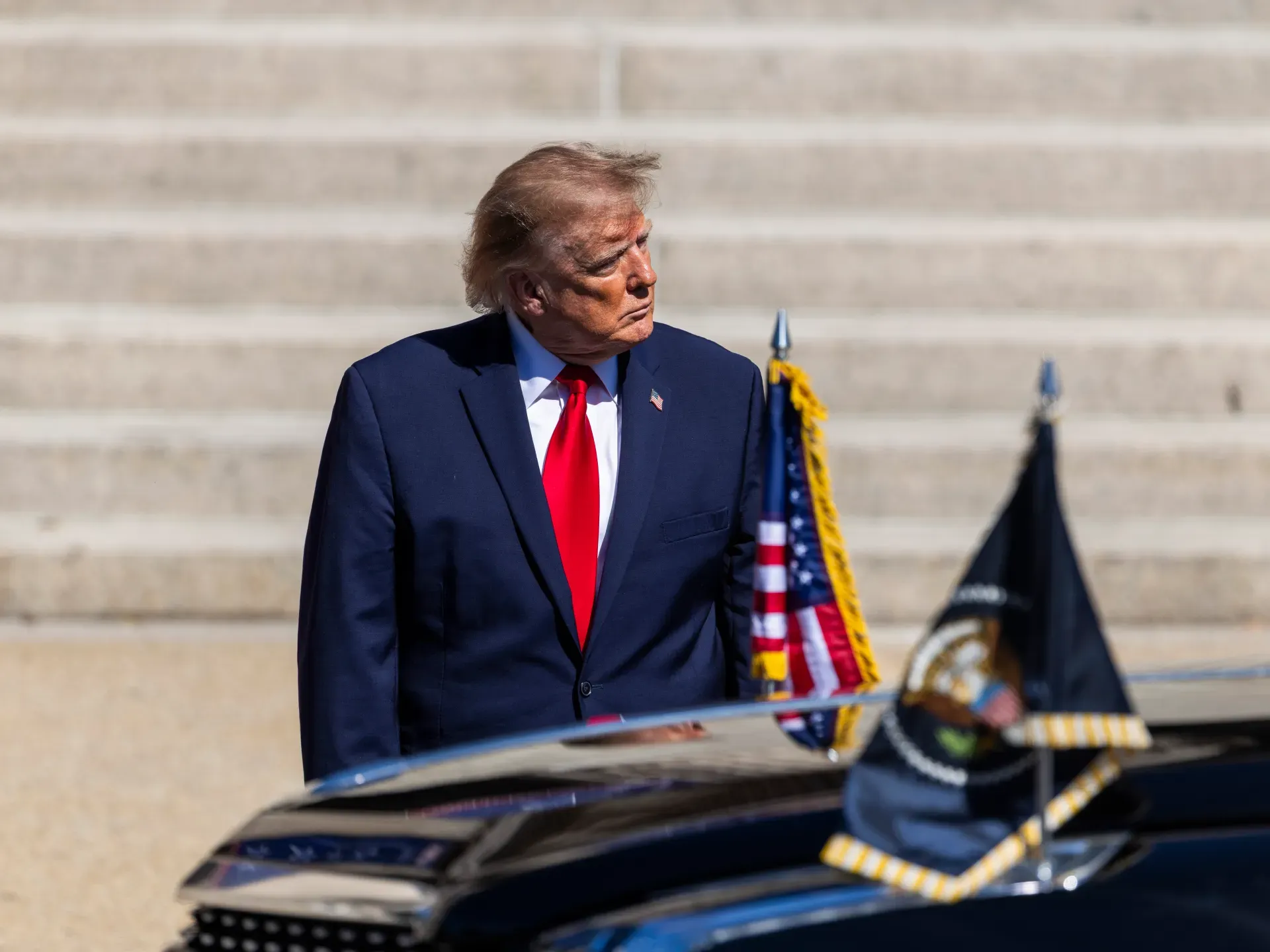
Diplomatic attempts to resolve the escalating crisis around the Strait of Hormuz have hit a major roadblock after United States President Donald Trump reportedly dismissed a fast-track, seven-day roadmap submitted by Tehran. The proposal, aimed at unblocking one of the world’s most critical energy corridors, sought immediate economic and military concessions from Washington in exchange for restoring normal shipping traffic.
With nearly a fifth of global petroleum and natural gas passing through the waterway during peacetime, the reported rejection leaves maritime security hanging in the balance and increases the likelihood of prolonged geopolitical friction through the autumn.
Inside Tehran’s Accelerated Seven-Day Roadmap
The proposal was formally detailed by Iranian Foreign Minister Abbas Araghchi during media briefings in New York on the sidelines of the UN General Assembly. Tehran offered to restore standard commercial passage through the Strait of Hormuz within one week, provided Washington executed key commitments from the previously stalled Islamabad Memorandum of Understanding signed on June 17.
Under the terms presented by Araghchi, the United States would be required to execute several major steps within four to five days:
- Unfreeze $12 billion in Iranian financial assets currently blocked overseas.
- Lift active sanctions targeting Iranian oil exports.
- Dismantle the U.S. naval blockade restricting movement at Iranian ports.
- Halt all military hostilities across active operational zones, including southern Lebanon.
According to Araghchi, if Washington fulfilled these terms within the initial four-to-five-day window, Iran would immediately reopen the Strait of Hormuz. Broad negotiations toward a comprehensive final deal would then formally commence on day seven. Araghchi emphasized that Iran would not submit to intimidation, placing the responsibility for action squarely on Washington.
Washington’s Reaction and the Battle Over Strait Control
While the U.S. government has issued no formal public statement regarding the roadmap, sources cited by The Wall Street Journal indicate that President Trump swiftly turned down the offer. Administration insiders cited deep skepticism over whether Tehran would ever satisfy Washington’s core demands—specifically, permanent guarantees against acquiring nuclear weapons and an unconditional, permanent restoration of free navigation in Hormuz.
Because Tehran maintains that discussions regarding its nuclear infrastructure remain completely off the table until initial economic conditions are fulfilled, diplomatic progress remains at a standstill. U.S. officials speaking off the record indicated Washington feels under no pressure to rush into an agreement, believing the American military position near the waterway remains strong.
Signaling an unyielding stance, Trump posted a map on Truth Social labeling the critical corridor as the “Trump Strait.” The post follows earlier assertions by Trump that American forces exercise total control over the region, accompanied by suggestions that the U.S. could claim the waterway as a territory—a position Iran strongly repudiates, insisting it retains sole sovereignty over the strait.
Indirect Negotiations Continue Amid Deep Skepticism
Despite the setback, diplomatic backchannels have not completely closed. Mediators from Qatar have been actively passing communications between U.S. and Iranian delegates during meetings in New York. Qatari Foreign Minister held discussions with Iranian President Masoud Pezeshkian regarding conditions required to reset formal dialogue.
Earlier interactions in New York also involved U.S. special envoys Jared Kushner and Steve Witkoff holding indirect talks with Iranian representatives, discussions that Trump publicly characterized as constructive. However, foreign policy experts warn that tactical talks do not necessarily translate into a lasting breakthrough.
“I think that the best we can hope for is that this offer from the Iranian foreign minister does lead to further discussions to try to clarify what preconditions Washington is willing to work with,” stated Thomas Warrick, senior fellow at the Atlantic Council, highlighting the profound deficit of trust between both capitals.
Post-Election Timelines and the Threat of Renewed Hostilities
The immediate direction of the conflict appears closely tied to domestic political calendars in the United States. Sources within the administration suggest Trump has advised aides to prepare for potential renewed air strikes against Iranian targets following the U.S. midterm elections in November.
This prospective military option comes on the heels of Trump’s address at the UN General Assembly, where he openly threatened severe military retaliation in the absence of a negotiated outcome. Simultaneously, Trump expressed confidence that a final resolution could materialize shortly after November’s legislative vote.
Analysts suggest that electoral considerations are heavily influencing Washington’s decision-making timeline. Paul Musgrave, an associate professor of government at Georgetown University in Qatar, noted that the White House is keen to avoid concluding the standoff under perceived weakness prior to the midterms. Musgrave explained that depending on the balance of power resulting from the congressional elections, Washington might opt for brief unilateral escalation to re-establish leverage before engaging in final stage negotiations.