
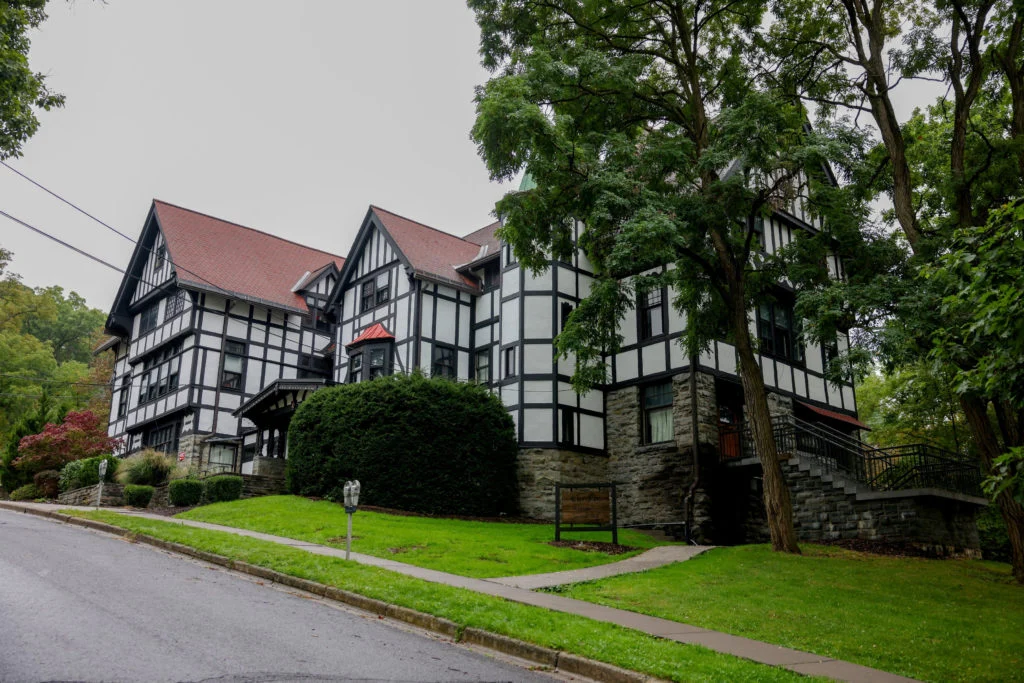
Newly disclosed records from Cornell University’s internal Title IX investigation have revealed the intricate timeline, digital evidence, and starkly conflicting testimony surrounding an alleged sexual assault at the Chi Phi fraternity house. The documents—uncovered through court filings in a lawsuit brought by one of the accused former students—offer the most detailed view yet into how campus authorities examined the October 2024 encounter that has drawn state-level criminal intervention.
While local prosecutors initially declined to bring charges against the men involved, the persistent Title IX proceeding resulted in disciplinary sanctions ranging from mandatory coursework to student expulsions. Now, as New York officials reopen the criminal probe, these unsealed institutional records highlight the critical friction points between university disciplinary panels and formal law enforcement action.
Unsealed Files Expose the Scope of Campus Inquiry
The unsealed materials came to light after an attorney representing one of the disciplined students attached university hearing records to a lawsuit aiming to wipe the punishment from his academic transcript. Included in the filings is a 99-page report summarizing the findings of Cornell’s campus hearing panel alongside legal briefs submitted by university attorneys.
Although representing only a portion of the complete file, the unsealed documentation illustrates the sheer scale of the university’s investigation. Investigators conducted 50 interviews with 32 separate witnesses and convened hearings across 12 days to dissect the events of that evening. The depth of the internal process stands in stark contrast to the initial criminal decision by Tompkins County District Attorney Matthew Van Houten, who declined to prosecute or conduct further investigation after reviewing a preliminary campus police summary.
That prosecutorial inaction prompted New York Governor Kathy Hochul to step in, removing the local prosecutor’s jurisdiction and appointing State Attorney General Letitia James as a special prosecutor to head a renewed criminal investigation into the allegations.
Digital Paper Trails and Conflicting Accounts Inside Chi Phi
According to the Title IX findings, the acc
user—identified in court papers as Jane Doe—arrived at the Chi Phi fraternity house in October 2024 to meet a member with whom she had long-standing romantic interest. Disciplinary panels determined that while she initially consented to sexual activity with that individual and a friend, her condition degraded rapidly due to severe intoxication from ketamine, alcohol, and marijuana.
Jane Doe testified during a May 2025 campus hearing that the ketamine left her in a state of partial paralysis and reduced consciousness. Describing her state to university investigators, she noted that while an observer might see a person who appears operational, “lights are on, but nobody’s home.” She recounted feeling helpless as additional men entered the room, comparing her vulnerability to feeling like “bait” surrounded by “lions.”
Investigators documented that other fraternity brothers gathered after a message was broadcast to a Snapchat group at 1:42 a.m. advertising the woman’s availability in explicit terms. Another participant in the group chat subsequently inquired if the room was still open, while the fraternity member who invited her posted a follow-up message asserting that the situation was real and “not a bit.”
Variable Disciplinary Outcomes and Escalating Legal Fallout
The unsealed Title IX summaries illustrate sharp divides in how individual participants responded to the panel. Some of the accused men denied all wrongdoing, offering alternative explanations for their presence in the room.
One former student testified that he entered the room for less than five minutes solely to conduct a wellness check on the occupants, denying that he saw the woman unclothed or consumed illicit substances. While the panel cleared him of direct sexual assault and exploitation charges, it rejected his claim of altruistic motives and found him responsible for attempted sexual exploitation. Unlike several peers who faced expulsion, this student was permitted to remain at Cornell under specific conditions: completing a course on bystander intervention and sexual harassment, writing a reflective essay, proposing student training initiatives, and adhering to a strict stay-away order.
Jane Doe has since filed a civil lawsuit in federal court against Cornell University and seven former students, alleging that she was pressured into taking incapacitating drugs and subjected to non-consensual sexual acts. Seeking unspecified damages, her suit aims to hold all seven men accountable for rape, bringing new scrutiny to both university campus safety oversight and local law enforcement responses.