
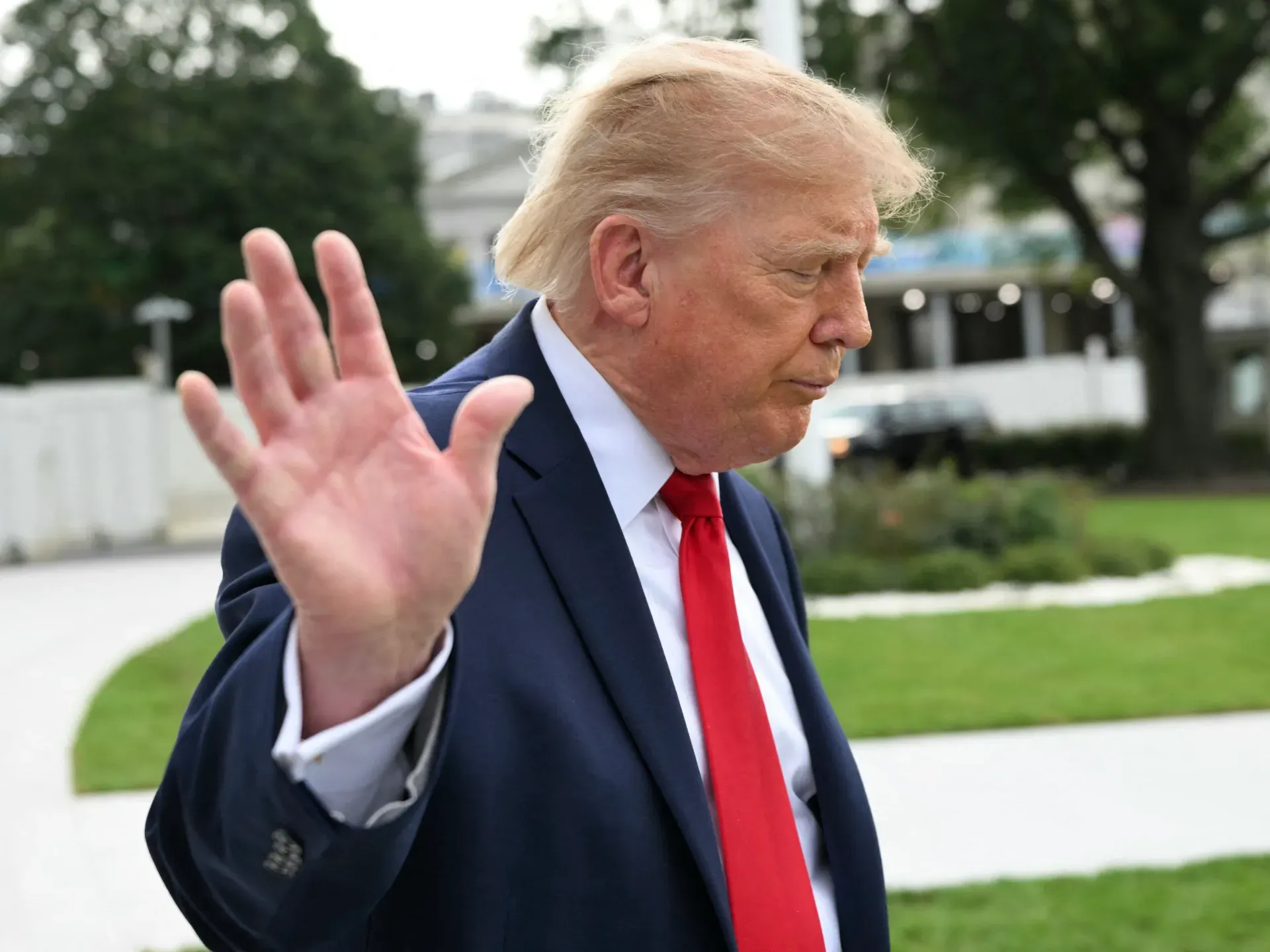
A fresh diplomatic push to resolve the nearly seven-month standoff in the Middle East has faltered after U.S. President Donald Trump explicitly rejected a seven-day roadmap submitted by Tehran to reopen the Strait of Hormuz. Speaking to reporters on the South Lawn of the White House on September 26, 2026, Trump acknowledged that while he remains open to securing an agreement, the specific terms put forward by Iran could not be accepted by Washington.
The rejection leaves one of the world’s most critical energy shipping corridors locked in uncertainty. Tehran had routed the proposal through Qatari mediators, setting out explicit steps to restore commercial navigation in exchange for significant sanctions relief, an end to naval blockades, and a regional ceasefire.
Inside Iran’s Proposed Seven-Day Roadmap
The formal proposal was detailed on Friday by Iranian Foreign Minister Abbas Araghchi during the United Nations General Assembly in New York. Araghchi confirmed that Tehran had transmitted a structured plan to Washington via Qatar, designed to quickly normalize maritime traffic through the Strait of Hormuz and pave the way for renewed negotiations over its nuclear program within a week.
To restore standard shipping access, Tehran requested several major policy shifts from the United States, including:
- Lifting Naval Blockades: Ending the active U.S. blockade imposed against Iranian maritime ports.
- Sanctions Relief: Issuing formal waivers on sanctions targeting Iranian crude oil exports.
- Asset Unfreezing: Releasing an estimated $12 billion in frozen Iranian financial assets held abroad.
- Regional Ceasefire: Implementing an immediate ceasefire covering active conflict zones across the region, explicitly including Lebanon and Yemen.
Araghchi stressed during his UN appearance that Iran would not accept intimidation or surrender its sovereign rights under pressure, placing the responsibility for accepting or rejecting the terms squarely on Washington. The proposal followed earlier direct talks between Araghchi and Trump’s envoy, Steve Witkoff.
Washington’s Stance and Future Military Expectations
Trump’s public reaction was firm as he prepared to depart the White House on Saturday. Addressing the Iranian offer, Trump remarked that Tehran was motivated to seek a deal because they were “losing so badly,” reiterating his willingness to negotiate while flatly dismissing the current draft.
“They want to make a deal and I think that’s fine,” Trump told reporters. “I’d like to make a deal, too. But that deal would not be acceptable.”
Beyond public statements, reports indicate deeper skepticism within the U.S. administration. Trump has reportedly expressed private doubts that Iranian leadership would comply with core American demands. According to reports citing unnamed U.S. officials, the administration is considering a renewed military bombing campaign against Iranian targets, potentially following the upcoming U.S. midterm elections in November.
Diplomatic observers noted that Washington’s posture has shifted between extreme optimism regarding ongoing talks and rhetoric threatening military destruction. This inconsistency has left the conflict in a prolonged state of strategic limbo, escalating concerns among the American public regarding involvement in another extended regional war.
Tehran Cites Erosion of Trust in Negotiations
In a interview from New York on Saturday, Iranian President Masoud Pezeshkian addressed the worsening stalemate, expressing deep skepticism over future diplomatic engagement with Washington. Pezeshkian stated that Tehran no longer trusts talks with the United States, pointing out that previous diplomatic attempts were consistently followed by renewed military strikes and economic sanctions.
Addressing the blockade of the Strait of Hormuz, Pezeshkian rejected assertions that Tehran was solely responsible for shutting down the commercial channel. He argued that U.S. naval operations effectively cut off maritime access routes to Iran first, making the restriction of the strait a predictable response to economic and military isolation.
Despite the rigid positions on both sides, Pezeshkian maintained that the broader regional crisis should ultimately be resolved through negotiations rather than military force, reiterating that commercial navigation through the Strait of Hormuz would resume once a comprehensive agreement bringing an end to the war is reached.
Impact on Global Maritime Transit
The Strait of Hormuz remains the single most vital choke point for global crude oil supplies, carrying a significant portion of the world’s petroleum daily. With Washington dismissing Iran’s seven-day plan and Tehran refusing to yield under unilateral pressure, commercial shipping lines and energy markets face continued instability as the impasse continues.