
Ordering products from international marketplaces like AliExpress can sometimes feel like opening a mystery box. Most of the time the process works smoothly — you place an order, wait a few weeks, and the package arrives at your door.
But occasionally, something strange happens.
Some buyers report that when their package finally reaches the local post office, they are suddenly asked to pay an additional fee before the package can be released. In some cases, the shipping label may even appear unusual or incomplete, leading the buyer to believe that the package has a “fake stamp” or incorrect postage.
Naturally, this raises an uncomfortable question:
Did the seller send the package incorrectly, or is something wrong with the postal system?
Let’s unpack what might actually be happening.
When a Package Arrives but You Still Have to Pay
In the situation described, the buyer ordered products from AliExpress and received the first package successfully — or at least it reached the destination country.
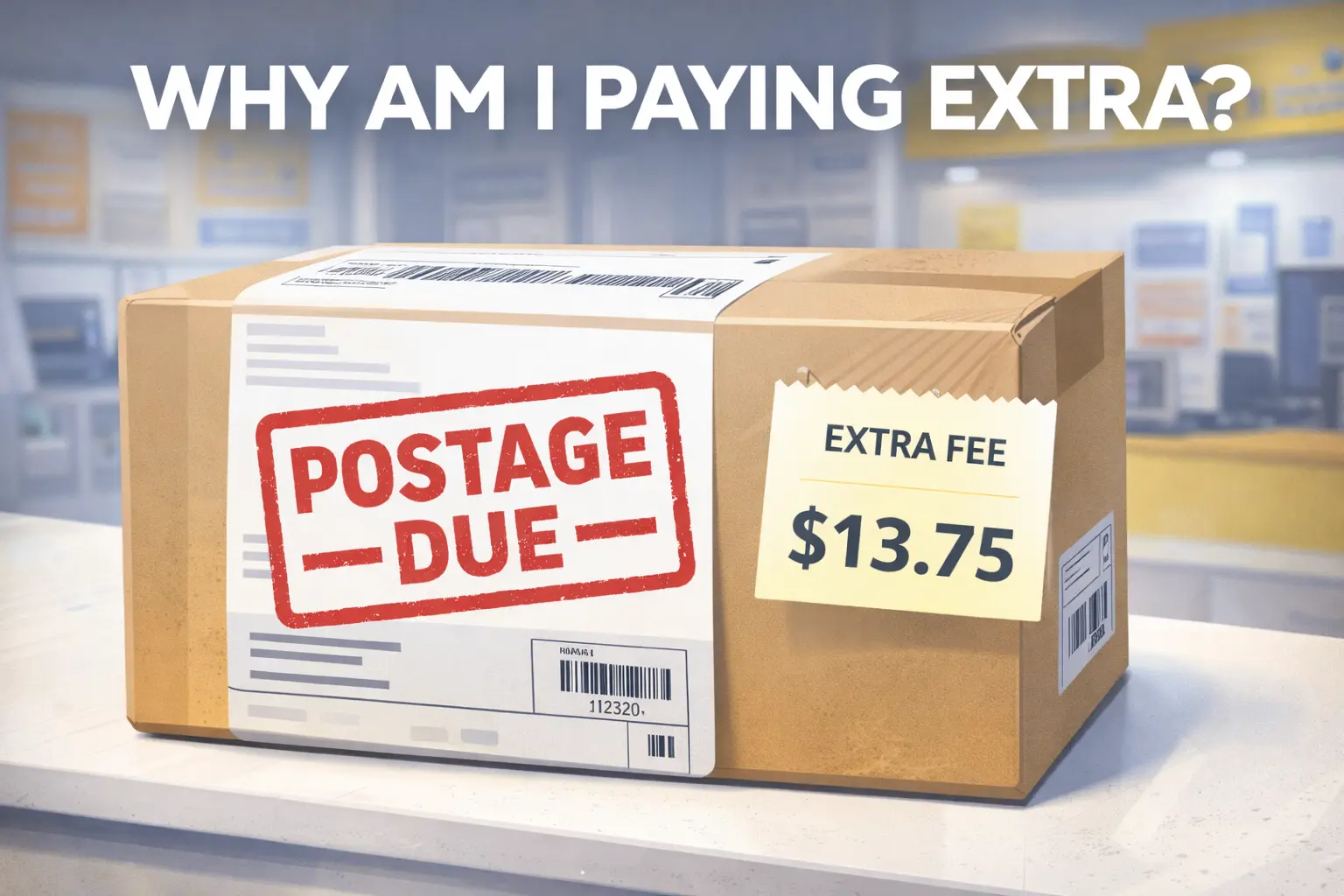
However, instead of normal delivery, the local post office required an additional payment of $13.75 before releasing the package.
This often surprises buyers because they already paid for shipping during checkout.
From the buyer’s perspective it may look like:
- the package has an incorrect stamp
- postage was not paid properly
- the seller used some kind of fake shipping label
But in many cases the explanation is less dramatic.
Why Extra Postal Fees Sometimes Appear
International shipping involves several layers of postal systems. A package usually travels through:
- Seller warehouse
- Export processing center
- International carrier
- Import customs
- Local postal service
Each stage has its own rules.
If something in the documentation or postage does not match local postal regulations, the receiving postal service may charge an additional handling fee.
Think of it like airline baggage rules.
Even if you checked a bag in one country, the airline at your destination might still charge a fee if the baggage weight exceeds local limits.
Postal systems can work in a similar way.
The “Fake Stamp” Confusion
What many buyers call a “fake stamp” is often just a printed shipping label used in international logistics systems.
Modern international packages rarely use traditional stamps anymore.
Instead they often use:
- printed barcode labels
- prepaid shipping codes
- consolidated shipping labels used by logistics companies
To someone unfamiliar with these systems, the label can look suspicious because it doesn’t resemble the stamps people are used to seeing on traditional mail.
However, the label itself is usually legitimate — it simply represents bulk postage paid through a logistics partner.
When Additional Fees Are Most Common
Extra charges at the post office tend to happen under a few common circumstances.
| Situation | What Happens |
|---|---|
| Incorrect declared shipping type | Local post office charges handling fee |
| Customs handling charges | Buyer must pay before release |
| Underpaid postage | Postal service collects the difference |
| Special delivery processing | Extra fee applied |
In some countries, postal services also apply administrative handling fees even when the postage is technically valid.
This can make it appear as if the package itself is the problem.
Why It Doesn’t Happen With Every Package
You mentioned that only the first package had this issue, while two more packages are still on the way.
This actually makes sense.
AliExpress sellers often use different logistics partners depending on:
- package size
- warehouse location
- shipping promotions
- seller shipping contracts
So even if three items were ordered together, they might travel through completely different shipping networks.
That means the remaining packages may arrive without any extra charges.
What Experienced Buyers Usually Do
Regular AliExpress shoppers often follow a few simple habits to reduce surprises when ordering internationally.
First, they check which shipping method the seller is using.
Second, they review buyer comments to see if anyone reported extra postal charges.
Third, they pay attention to customs policies in their country, since some regions apply import handling fees for international parcels.
Many buyers also expect that occasionally a package may require a small processing fee depending on the shipping route used.
Discovering Reliable Products Before Ordering
International marketplaces can be confusing, especially for new buyers who are still learning how cross-border shipping works.
That’s why many shoppers prefer researching trending products and reliable listings before placing orders.
If you want to explore useful gadgets and trending everyday products that global buyers are currently discovering, you can check curated product insights here: https://siwaexpres.com
These types of guides often help buyers avoid confusing listings or unreliable shipping methods.
So Was It Really a Fake Stamp?
In most cases, no.
What looks like a “fake stamp” is usually just a bulk logistics label used by international shipping networks.
The additional fee is more likely related to:
- local postal handling charges
- customs processing
- shipping declaration differences
While it can definitely be frustrating to pay extra for a package you already ordered, it does not necessarily mean the seller intentionally used fake postage.
Have You Ever Experienced This?
International shopping can sometimes produce unexpected situations like this.
Have you ever received a package from an online marketplace and been asked to pay additional fees at the post office before getting your item?
Or have all your international packages arrived without any extra charges?
It would be interesting to hear how often this happens to different buyers around the world.