
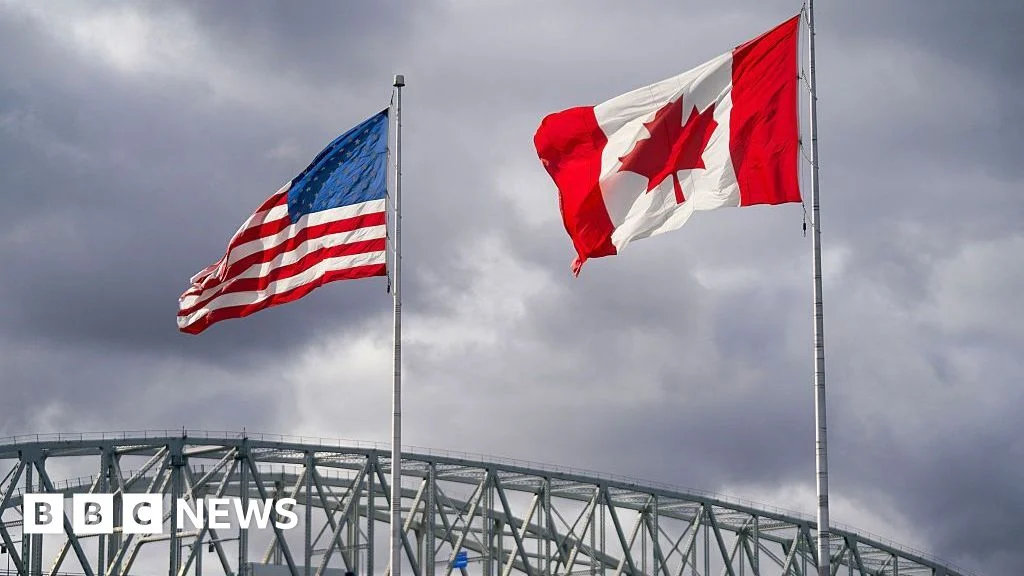
As the countdown to the United States midterm elections enters its final fortnightly stretch, the White House has announced a partial rollback of its aggressive trade levies against Canada. Beginning October 30, certain Canadian products will enjoy tariff exemptions, marking a tactical pivot in a months-long economic standoff that has rippled across border communities and agricultural sectors.
Understanding the Tariff Rollback and Affected Products
The upcoming adjustments will ease the heavy 50% duties that were slapped onto $20 billion worth of Canadian merchandise following the collapse of bilateral trade negotiations back in August. Among the items slated for relief are essential industrial and commercial inputs, including plywood sheets, select paper products, certain machinery, and refrigeration equipment, alongside packing crates and boxes.
Conversely, the administration noted that the tariff ledger is not entirely clearing. New levies are simultaneously set to take effect on other targeted items, such as carpets and designated waste products. Federal officials framed these adjustments as part of President Donald Trump’s ongoing mandate to protect domestic laborers and champion equitable international trade practices, even as localized political pressures mount.
Political Pressures and the Maine Senate Race
The timing of the policy shift has drawn widespread attention, coming just two weeks before congressional contests that will decide the balance of power in Washington for the remainder of the presidential term. Republican Senator Susan Collins, who is fighting to defend her seat in Maine in a fiercely contested race, was the first to publicize the impending exemptions. Collins noted that she had repeatedly petitioned senior administration officials for relief, arguing that the heavy duties were choking her state’s agricultural economy.
According to the Maine senator, the targeted exemptions are vital for local producers specializing in blueberries, potatoes, apples, and seaweed. However, her political opponents have been quick to challenge the narrative. Her Democratic challenger, Troy Jackson, argued that the months-long trade friction had already inflicted severe financial damage on Maine residents, contending that the administration’s policy reversal offers only minor mitigation to a crisis of its own making.
Broader Economic Fallout and Cross-Border Reactions
The economic friction has heavily impacted northern border states whose supply chains and regional economies are deeply intertwined with neighboring Canadian provinces like New Brunswick and Quebec. Lawmakers from industrial regions, such as Michigan Republican lawmaker Mike Rogers, have likewise felt the pressure from trade-reliant constituents and urged a resolution to the standoff.
On the Canadian side, the response to the White House announcement has been measured. Canadian internal trade minister Dominic LeBlanc confirmed that while Ottawa is assessing the practical scope of these latest exemptions, the federal government remains firmly committed to negotiating a mutually beneficial framework that safeguards Canadian economic interests. Prime Minister Mark Carney, who previously matched American tariffs dollar-for-dollar following the August breakdown, indicated that Canada is open to a sustainable long-term agreement but is fully prepared to navigate the timeline patiently, emphasizing that protecting domestic workers remains the absolute priority.