
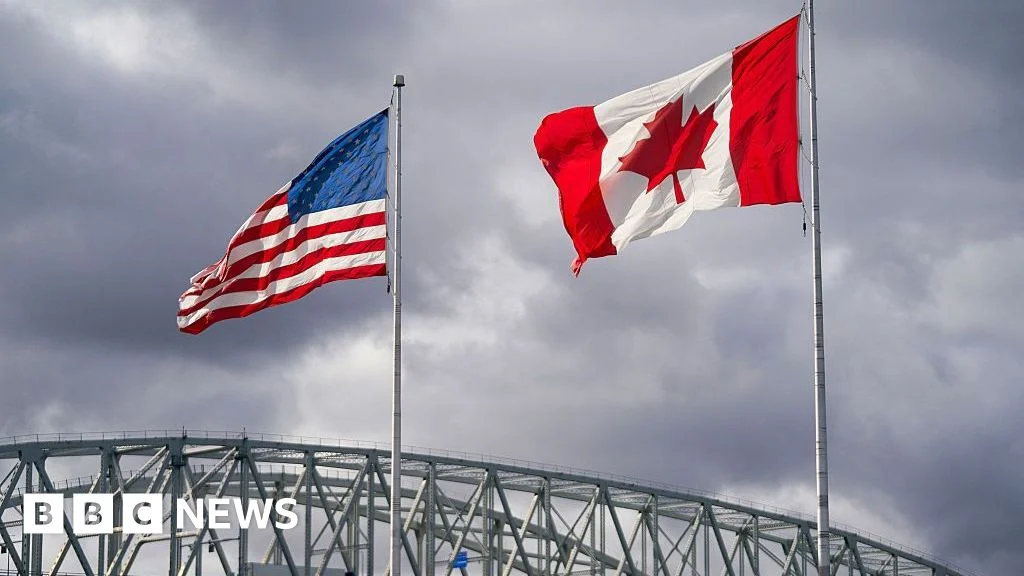
The White House has confirmed plans to ease a portion of its 50% levies on Canadian goods, introducing selective exemptions just two weeks before the upcoming US midterm elections. The policy shift arrives amid an ongoing trade standoff between Washington and Ottawa, drawing direct attention to the political pressures facing vulnerable congressional candidates in border states.
Targeted Tariff Relief and Product Exemptions
Starting October 30, the administration will roll back tariffs on a specific set of imports from Canada. According to the White House, the eased items will include plywood sheets, certain paper products, specific machinery, and refrigeration equipment. Additional exemptions will apply to certain packing crates and boxes.
However, the adjustment is not a total withdrawal of the protectionist measures. The White House noted that while relief is granted to selected imports, new tariffs will simultaneously be introduced on other product categories, including carpets and various waste materials. Administration officials maintain that the overarching framework continues to reflect President Donald Trump’s commitment to defending American workers and addressing what officials describe as discriminatory treatment of US commerce.
Political Pressures and the Maine Senate Race
The timing of the announcement, landing less than a fortnight before elections that will determine control of Congress for the remainder of Trump’s term, has placed political dynamics under a sharp lens. Republican Senator Susan Collins, who is fighting a tightly contested race to retain her Senate seat in Maine, was the first to publicize the impending exemptions.
Collins stated that she repeatedly urged senior administration officials to secure relief for her state’s agriculture sector, emphasizing that the freed products are vital to Maine producers of blueberries, potatoes, apples, and seaweed. Her economy-focused arguments highlight the deep integration between border states like Maine—which borders New Brunswick and Quebec—and Canadian markets.
The decision immediately drew contrasting reactions from political opponents. Troy Jackson, Collins’ Democratic challenger, argued that the months-long trade friction had already damaged local livelihoods and asserted that the incumbent senator was attempting to claim credit for mitigating a crisis she enabled.
Broader Trade Standoff and Economic Fallout
The bilateral trade dispute escalated significantly in August following the collapse of broader negotiations, prompting the US to impose a 50% levy on approximately $20 billion (or £15 billion) worth of Canadian merchandise. In response, Canadian Prime Minister Mark Carney implemented dollar-for-dollar countermeasures, asserting that protection for domestic workers was paramount.
While Canadian Internal Trade Minister Dominic LeBlanc stated that Ottawa is assessing the recent adjustments and remains open to constructive, mutually beneficial negotiations, federal leadership has also pursued alternative economic partnerships, notably looking toward Europe. Carney remarked that Canada is prepared to wait out the current impasse until a comprehensive and proper trade agreement can be finalized.
With border state lawmakers from both parties increasingly feeling the economic strain of the prolonged standoff, the selective exemptions signal a tactical adjustment by the administration as voters prepare to head to the polls.