
BODY:
The Final Sprint in Michigan’s Close Senate Race
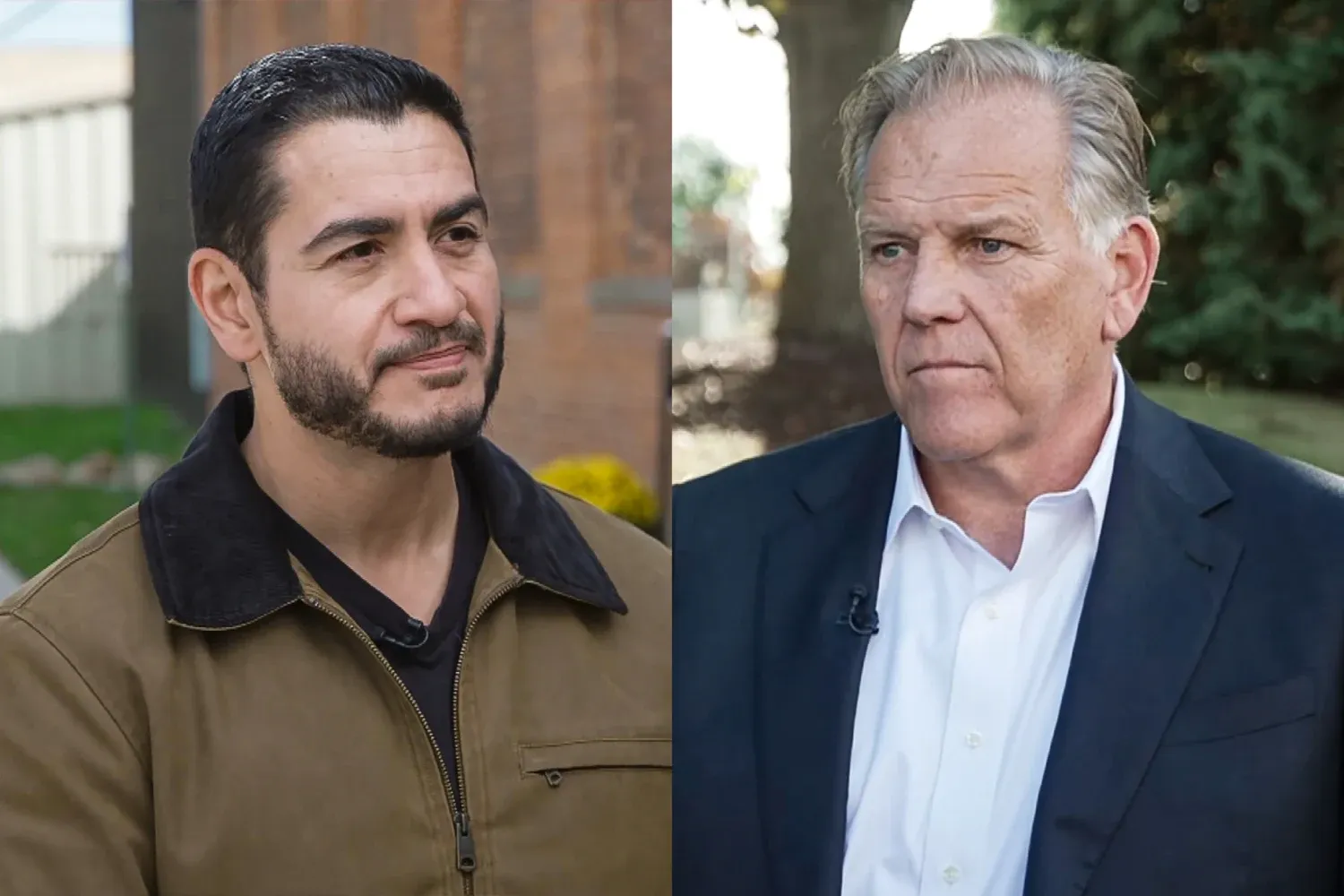
Voters in Michigan are facing a neck-and-neck contest for an open U.S. Senate seat as the race enters its final stretch. With Election Day less than two weeks away, Democratic nominee Abdul El-Sayed and Republican former Representative Mike Rogers met in Detroit for their second debate. The matchup offered a stark look at two contrasting political visions for replacing retiring Democratic Senator Gary Peters.
While the atmosphere proved tamer than their first explosive meeting earlier in the month, the hour-long discussion still featured intense verbal clashes. Moderators maintained strict control over the timeline, moving the candidates through a wide range of policy areas including healthcare, immigration, crime, Social Security, and trade tariffs.
Foreign Policy and Economic Concerns Take Center Stage
Cost-of-living issues quickly emerged as a central flashpoint, with El-Sayed tying rising gas and grocery prices directly to foreign conflicts. He argued for a war powers resolution to address the ongoing situation involving Iran, criticizing Rogers for alignment with Donald Trump on military interventions. El-Sayed emphasized the need to hold leadership accountable and challenge corporate influence over politics.
Rogers, meanwhile, has attempted to create distance between himself and Trump regarding military actions in recent weeks. Although he acknowledged justification for initial targets against Iran’s nuclear program, he previously released advertising campaigns calling for the conflict to wind down.
On the topic of trade, Rogers addressed the economic impact of tariffs. Reflecting on recent discussions surrounding trade disputes with Canada, he suggested that certain measures may not have been fully evaluated. He framed his candidacy around protecting Michigan’s economic interests, stating he would support policies that benefit the state while opposing those that cause harm.
Personal Histories and Contentious Exchanges
The most heated moments of the evening involved direct challenges regarding personal backgrounds and trustworthiness. Rogers raised questions regarding El-Sayed’s associations, bringing up previous political controversies and family ties to overseas organizations. El-Sayed strongly rejected these claims, defending his loyalty to the U.S. Constitution and expressing pride in American democratic values and religious freedom.
The exchange escalated when Rogers attempted to interrupt El-Sayed, prompting a firm response from the Democratic nominee as he pointed his finger and insisted on finishing his statement. Rogers countered that the discussion centered on broader political ideologies rather than personal victimhood.
The candidates also displayed contrasting visual styles on stage. El-Sayed directed his gaze toward the camera for nearly the entirety of his speaking time, while Rogers primarily maintained eye contact with the debate moderators.
Visions for Artificial Intelligence and Future Governance
Moving beyond traditional political clashes, the debate provided a look at how both candidates view emerging technology. Rogers stated support for antitrust exemptions specifically limited to safety coordination among frontier artificial intelligence companies, while also mentioning openness toward a technological kill switch for dangerous programs.
El-Sayed outlined a different approach, pointing to recent platform proposals that call for a pause on frontier research. Highlighting industry forecasts regarding white-collar job displacement—noting that CEOs of these corporations think they could take 50% of white-collar jobs over the next five to ten years—he advocated for democratically appointed oversight boards within major AI firms. Furthermore, he proposed strict operational boundaries, asserting that automated systems should be barred from executing job terminations, firing weapons, or denying health insurance coverage.
As the campaign moves into its final days, polls indicate that the contest remains exceptionally close, leaving both candidates with a narrow window to sway undecided voters across Michigan.