
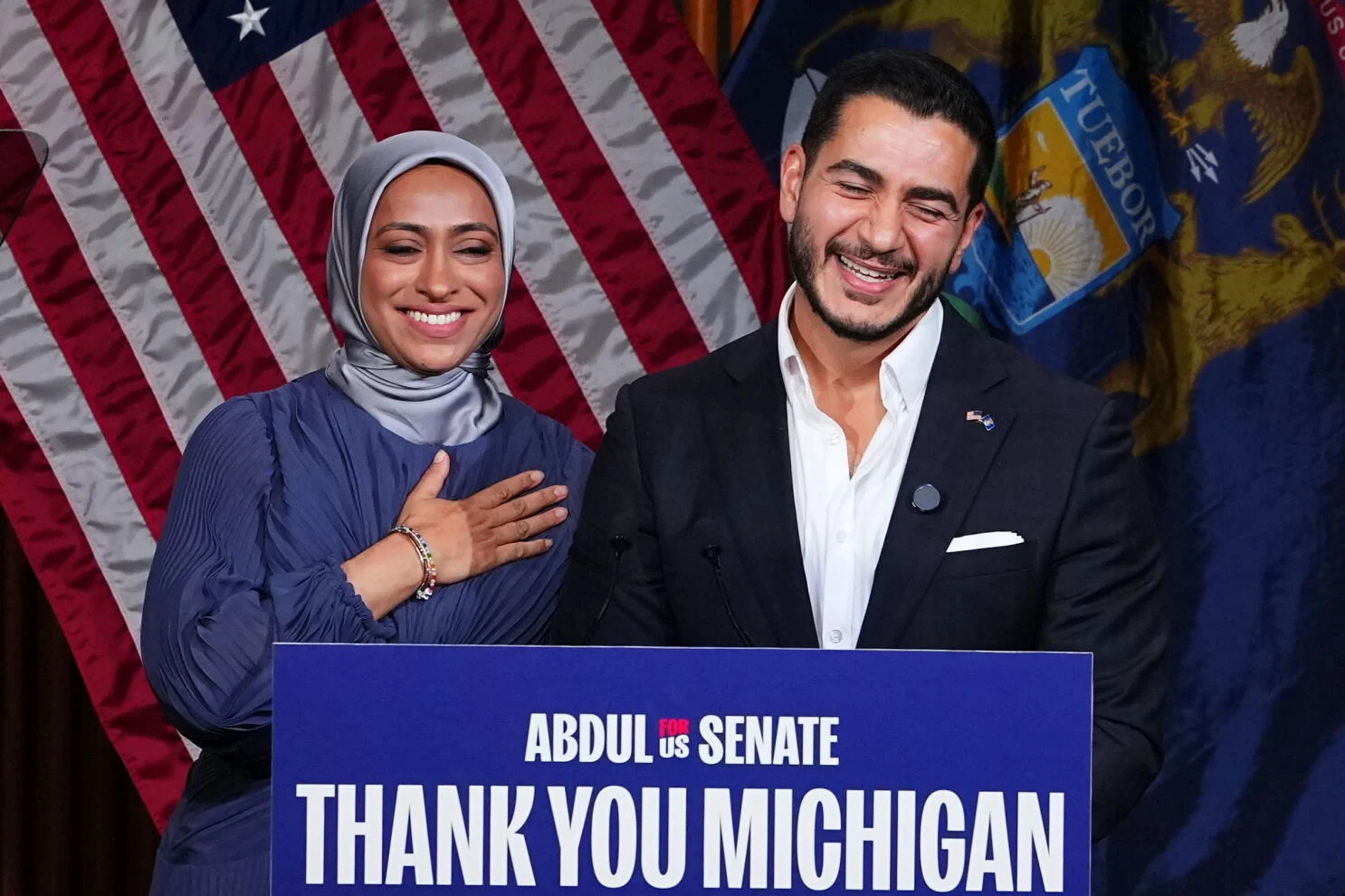
American political dynamics experienced a profound realignment as an extraordinary wave of voter turnout dismantled Republican control across multiple levels of government. The electoral outcomes, unfolding across urban centers and rural landscapes alike, signaled a notable departure from conventional midterm patterns and caught political analysts by surprise with the breadth of its geographic reach.
A Comprehensive Shift Across Demographics and Regions
The political landscape underwent a striking transformation as nearly every voting bloc demonstrated a double-digit shift toward Democratic candidates compared to previous cycles. Data from the New York Times highlighted substantial movements across diverse demographics, including a 31-percentage-point shift among men aged 18 to 44, a 28-point change among Latino voters, and a 32-point increase among voters under 30. This momentum penetrated traditionally conservative strongholds, enabling Democratic candidates to secure Senate victories in states like Kansas, South Carolina, and Texas. Even targeted Republican redistricting efforts intended to secure electoral advantages in at least 11 districts across states like Florida, Texas, Ohio, Alabama, and North Carolina failed to block these progressive inroads.
Beyond federal legislative seats, the electoral sweep extended to statehouses and governorships. Democrats captured a majority of gubernatorial seats for the first time since 2010 and flipped legislative chambers in nine states, including Arizona, Georgia, and Texas. Furthermore, voters broke barriers by electing several historic figures, such as the nation’s first Muslim senator, the first openly gay male senator, and the first Black female governor, despite contentious identity-focused
campaign attacks.
Leadership Reactions and Immediate Legislative Focus
House Minority Leader Hakeem Jeffries characterized the outcome as an “American tsunami,” pointing to the party reaching 237 seats in the House by Wednesday afternoon according to Associated Press projections, while Senate Minority Leader Chuck Schumer described the shift as a generational remodel of the Senate map, where Democrats held 54 seats with contests in Alaska and Mississippi pending. Leaders from both sides of the aisle acknowledged the magnitude of the results. Florida Gov. Ron DeSantis described the outcome as near an extinction-level event for the Republican Party, while President Trump attributed the losses to his absence from the ballot and signaled his intention to accept the certified results.
With full control of the legislative branch established, Democratic lawmakers face the immediate task of translating voter expectations into tangible policy. Proponents of economic populism within the party emphasize that success will hinge on addressing core voter concerns regarding the cost of living, healthcare access, housing availability, and corporate accountability. Representative Greg Casar of Texas and Pennsylvania Gov. Josh Shapiro underscored that the incoming majorities must demonstrate an immediate capacity to legislate effectively and deliver concrete economic relief, ensuring the historic victory transitions into enduring political momentum.