
A Sweeping Shift in Congressional and State Leadership
Following a massive wave of victories in state and local races, Democratic party officials and political analysts have outlined their main takeaways from the midterm elections. The outcome secured control of both the House of Representatives and the Senate for the Democrats by considerable margins as the nation heads toward 2027. Traditional strongholds historically classified as deep red—such as Kansas, Texas, and Iowa—flipped toward Democratic Senate candidates for the first time in decades. Furthermore, convincing majorities were achieved in House races despite competition across districts previously redrawn to favor Republicans.
Beyond Capitol Hill, the party advanced significantly in gubernatorial contests. Democratic candidates secured victories in Republican strongholds including Ohio, Texas, and Georgia. These combined wins mean that heading into 2027, the party will officially retake control of Congress while holding at least 28 governorships nationwide. Newly elected officials, party leaders, and pollsters recently gathered to discuss the underlying factors of these results, the influence of mid-decade redistricting, and the nature of the mandate received from voters.
Insights From Party Figures and Analysts
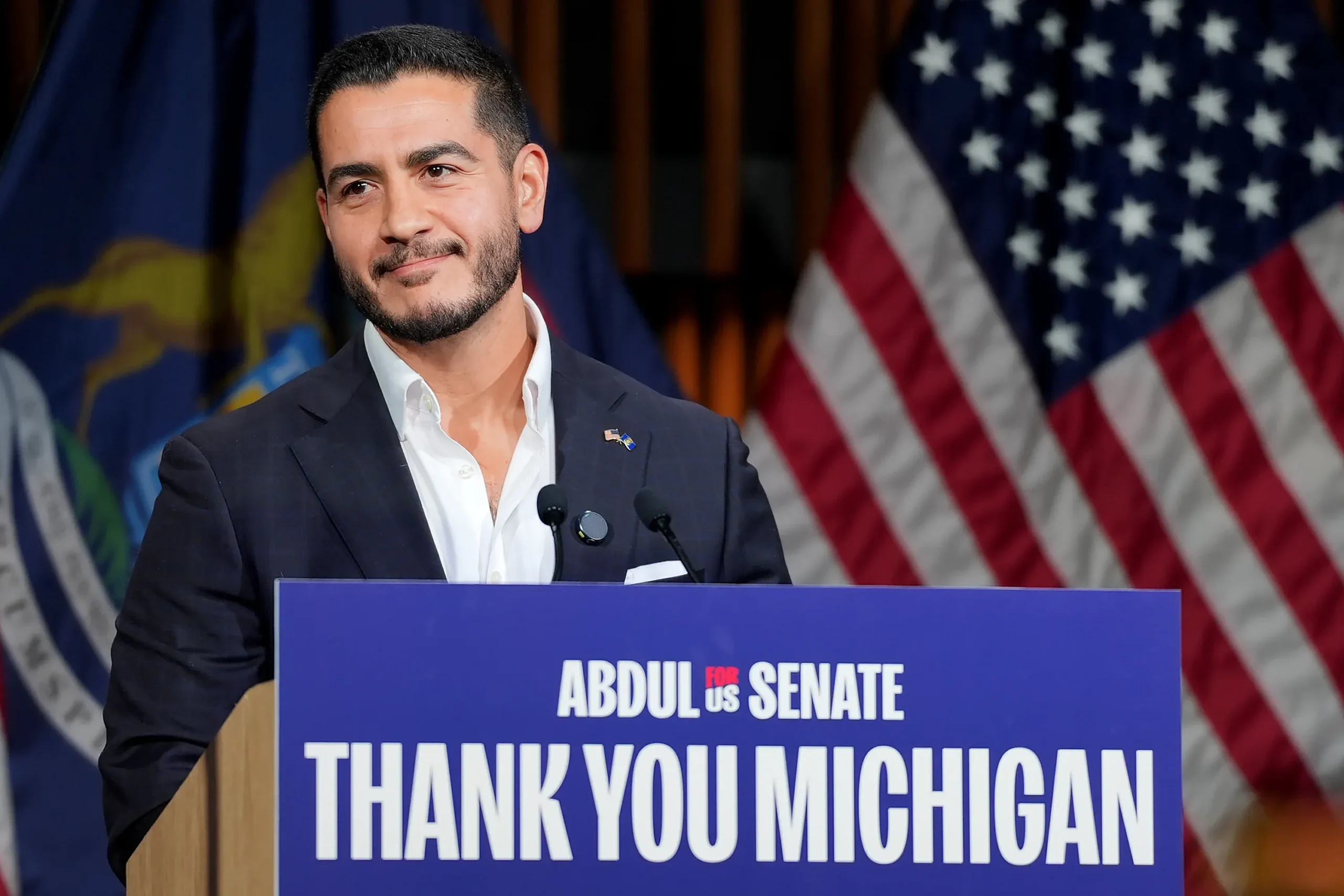
In Michigan, candidate Abdul El-Sayed secured a historic victory by becoming the first Muslim elected to the Senate. Reflecting on the campaign, he noted that his Republican opponent, Mike Rogers, focused heavily on weaponizing his name and faith rather than addressing voter priorities like Medicare for All and the rising costs of everyday essentials. El-Sayed also addressed foreign policy legislation regarding the war in Iran and expressed agreement with a scheduled end to roughly $4 billion in annual military aid to Israel, while acknowledging ongoing efforts to build stronger connections with Jewish and Black voters.
Regarding structural challenges, Eric Holder—chairman of the National Democratic Redistricting Committee and former U.S. Attorney General under President Obama—analyzed how mid-decade redistricting impacted the election. According to Holder, Republican gerrymandering efforts not only failed but were dismantled, ultimately causing GOP candidates to lose in districts specifically engineered for their success.
Meanwhile, Fair Fight Action founder Stacey Abrams highlighted the long-term organizational efforts in Georgia that contributed to victories up and down the ballot, noting particular pride in Governor-elect Keisha Lance Bottoms as the first Black woman elected governor in U.S. history. Abrams emphasized that sweeping wins across gubernatorial, attorney general, secretary of state, and state house positions provide a vital opening to restore rights lost across the South over the past two decades.
Voter Mandate and Strategic Vision for the Future
Democratic National Committee Chairman Ken Martin characterized the election as the party’s largest victory in over a century. In his assessment, voters issued a clear mandate focused on health care, affordability, and reforming systems that exclusively benefit wealthy individuals. Martin credited the success to a positive forward-looking strategy, stating that candidates across the board chose to run for specific objectives rather than simply running against opponents.
Adding a strategic perspective, pollster and Democratic strategist Margie Omero noted that contested races consistently broke in favor of Democrats despite heavy campaign spending by the GOP. Omero interpreted the trend as a direct reflection of widespread voter distrust toward Washington leadership, signaling that the electorate was determined to deliver an unambiguous message at the ballot box.