
BODY:
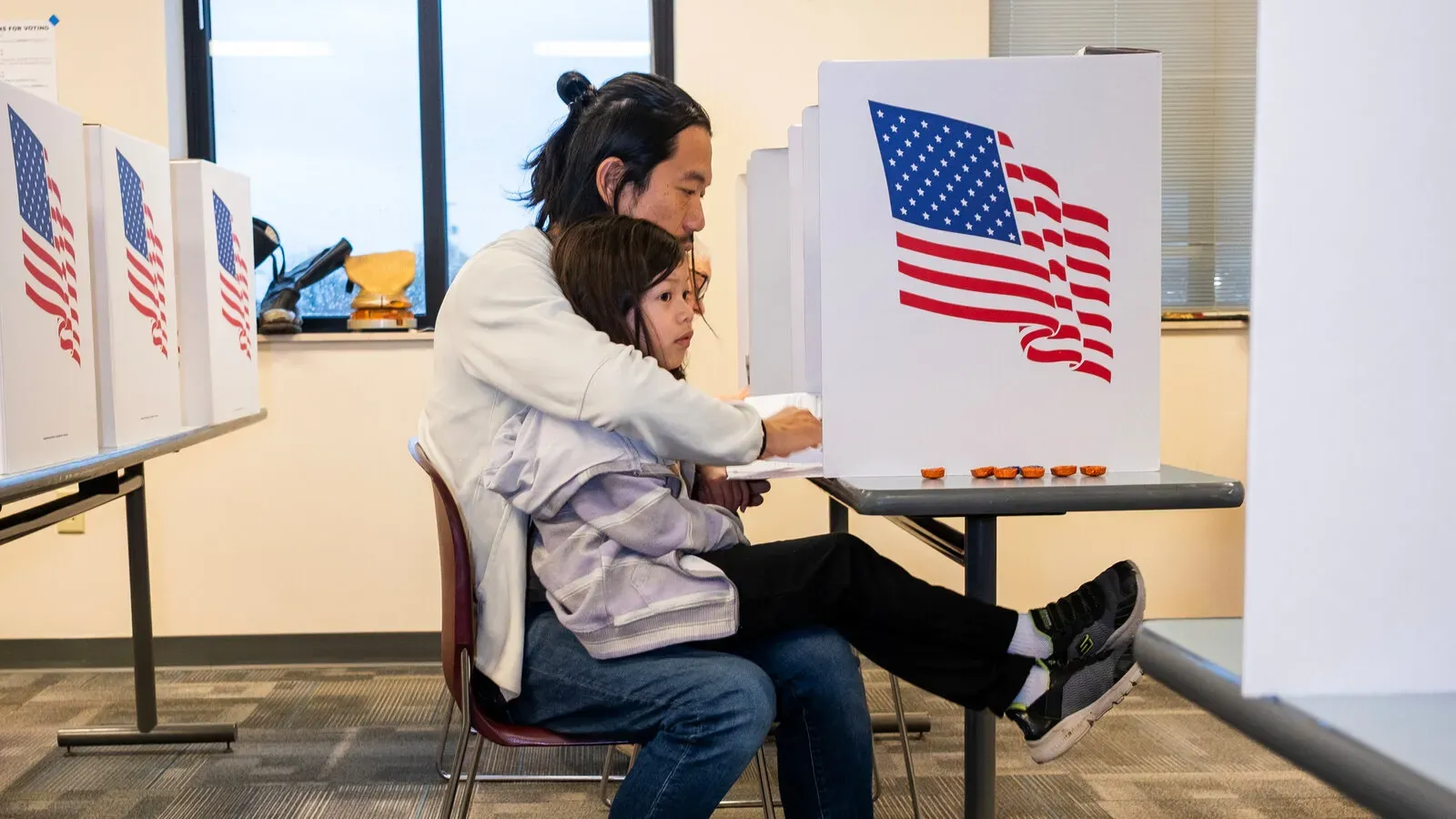
Voters across the United States are heading to the polls today, November 3, 2026, marking the culmination of a highly contentious campaign season. At 11:12 a.m. ET, live updates highlighted that these midterm elections carry massive political weight, serving as the first nationwide verdict on President Trump’s second term and determining which party will control Congress. With competitive races spread across the country, political observers note that it could take days or weeks before full results are known.
What Is at Stake in Congress and State Races
The balance of power in Washington hangs in the balance as voters weigh in on congressional control. Democrats need a net gain of just three seats to secure a majority in the House. Meanwhile, taking control of the Senate presents a steeper challenge, requiring Democrats to defend all of their current seats while flipping at least four Republican-held seats. Competitive Senate battlegrounds include states like Alaska, Iowa, Kansas, Maine, Michigan, Minnesota, Nebraska, New Hampshire, Ohio, South Carolina, and Texas, where polling and local dynamics have brought traditionally safe territory into play.
Campaign spending has shattered previous midterm benchmarks. According to data from AdImpact, political advertising spending has reached its highest level since at least 2018. Financial contributions have flowed heavily from major donors, with billionaire Elon Musk contributing $474 million to support Republican groups and allied candidates, marking a record sum for a single election cycle.
Voter Turnout and Key Issues Driving the Electorate
Economic concerns have dominated discussions at polling places nationwide. Many voters have pointed to cost-of-living pressures, heightened prices driven by tariffs, and an ongoing, unpopular war with Iran as central factors influencing their ballots. Despite early voting breaking recent midterm records—with tens of millions of ballots already cast—inclement weather poses an unpredictable variable. The National Weather Service reported risks of thunderstorms and heavy rain from Iowa to Texas, which researchers note could subtly impact turnout, particularly among younger or marginal voters, including individuals aged 21 to 30.
Demographic shifts are also playing a vital role. Recent polling highlights that Hispanic voters, who make up at least 20 percent of registered voters in numerous competitive House districts across states like Arizona, California, Colorado, Florida, Pennsylvania, and Texas, remain a critical swing constituency. At 10:54 a.m. ET, reports noted that early turnout in major Senate battlegrounds exceeded the last midterm cycle’s figures.
Polling Day Operations and Local Reports
As voting progressed throughout the morning, various locations reported unique local updates:
- 11:12 a.m. ET: Ryley Ober reported a steady stream of voters at Beech Street Elementary School in Manchester, New Hampshire, with Anna Sventek, a spokeswoman for the secretary of state, citing early indicators of strong turnout.
- 11:02 a.m. ET: Emily Davies reported from Ohio that incumbent Republican Senator Jon Husted waited about 45 minutes to cast his ballot at an elementary school in Columbus during his race against Democrat Sherrod Brown.
- 11:01 a.m. ET: Maya King reported from Michigan that Republican Senate candidate Mike Rogers greeted supporters before casting his ballot in Commerce Township.
- 11:00 a.m. ET: Beth Reinhard reported from Lewiston, Maine, that Maine Democratic Party Chairman Charlie Dingman stated the party contacted 2 million voters this cycle, surpassing previous non-presidential year numbers.
- 10:59 a.m. ET: Reis Thebault reported from Phoenix that Arizona Governor Katie Hobbs framed her re-election contest against Representative Andy Biggs as a choice focused on party leadership.
- 10:58 a.m. ET: Ishani Desai reported that Iowa Republican Senate nominee Ashley Hinson cast an early vote in Marion, addressing close poll numbers against Josh Turek.
- 10:43 a.m. ET: Bayliss Wagner reported that Iowa Democratic Senate nominee Josh Turek voted in Council Bluffs.
- 10:42 a.m. ET: Sabrina Shankman reported from New Hampshire on voter sentiment regarding local values and economic policies.
- 10:36 a.m. ET: Patricia Mazzei reported on South Carolina Senate nominee Dr. Annie Andrews following an unusual campaign timeline.
- 10:28 a.m. ET: Theodore Schleifer noted that conservative contributors including the Rockbridge Network are set to meet in the Houston area.
- 10:26 a.m. ET: Abbie VanSickle reported on Justice Department responses following the Supreme Court’s rejection of demands regarding California mail-in ballots.
- 10:25 a.m. ET: KC McGinnis reported high traffic and high turnout expectations at polling stations in West Des Moines, Iowa.
- 10:14 a.m. ET: John Yoon reported minor scanning machine glitches in Westchester County, New York, where bipartisan election commissioners confirmed contingency procedures were enacted to ensure every ballot is counted.
- 10:10 a.m. ET: Ann Hinga Klein reported from Des Moines on economic concerns raised by voters regarding gas and food costs.
Election Security, Legal Challenges, and Federal Observers
Preparations for election security have remained a focal point following months of federal scrutiny and claims regarding voting integrity. The Department of Justice has deployed nearly 1,000 monitors and observers to all 50 states—expanding past efforts where roughly 600 monitors were utilized—to ensure compliance with federal law across more than 100,000 polling places nationwide. Meanwhile, the Department of Homeland Security has maintained a heavy focus on investigating noncitizen registrations, though federal figures indicate only about 236 charges have been brought nationwide since the start of the administration.
Legal challenges leading up to Election Day saw federal courts and the Supreme Court rebuffing late administration efforts to intervene in state-level ballot management, such as a swift rejection of a demand to set aside 20,000 mail-in ballots in California. Local election officials have reassured the public that contingency plans are in place to manage technical hurdles, ensuring that every eligible vote will be securely recorded and counted.